
Listen to this Episode:
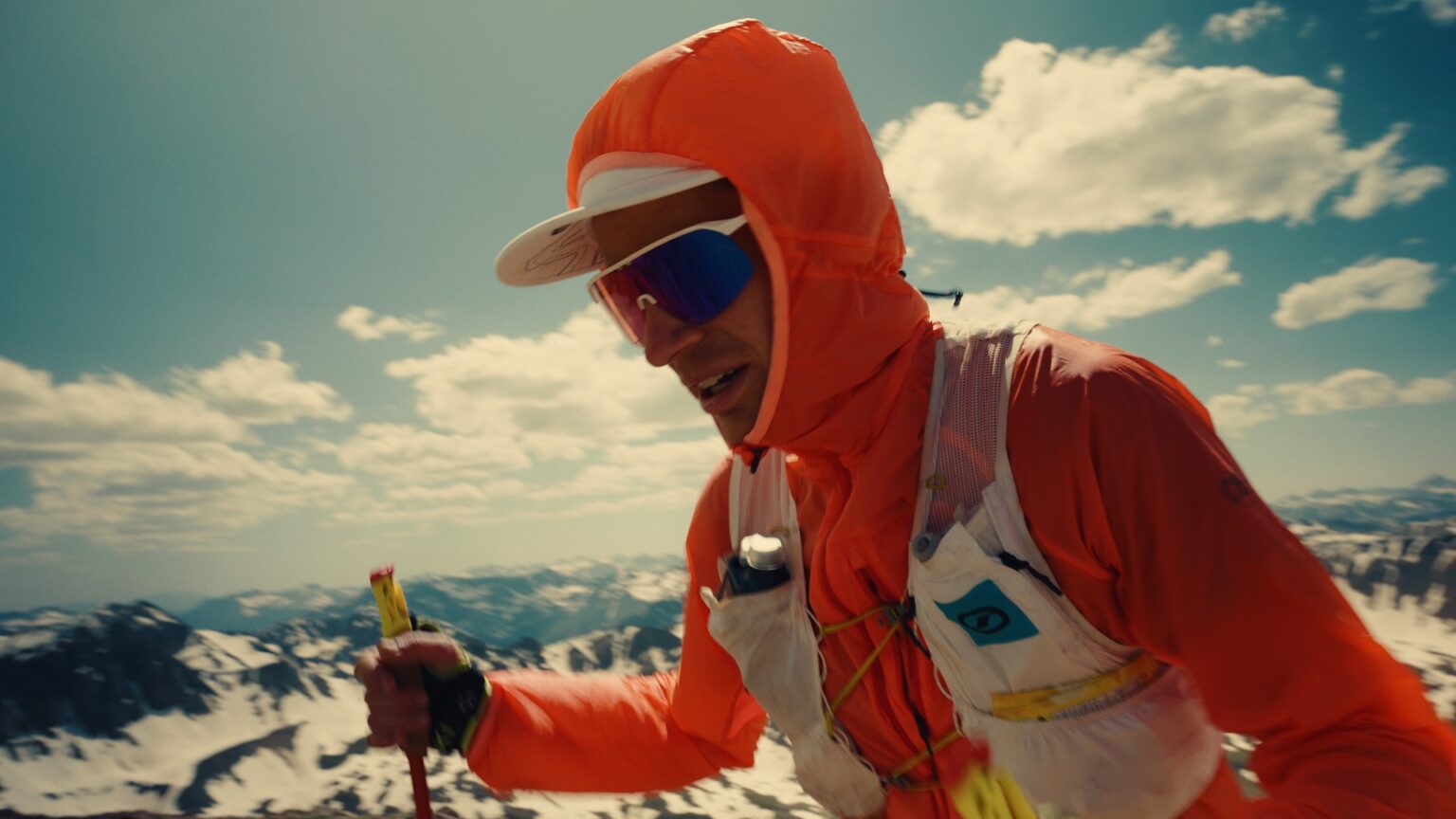
Steve House welcomes newly appointed Uphill Athlete coach Gabe Joyes for a comprehensive look at the 2025 trail running season. Gabe brings deep expertise as both a competitive trail runner and race director, having organized Wyoming’s Sinks Canyon Chill Races and Run the Red Desert for nearly a decade.
The conversation covers the year’s marquee events: Western States 100, where Abby Hall and Caleb Olson claimed victories; Hard Rock 100, marked by Katie Scheid’s stunning course record; and UTMB, where Ruth Croft became the first woman to win the UTMB/CCC/OCC triple crown and Tom Evans finally claimed victory after two previous DNFs. They also discuss the World Mountain and Trail Running Championships, the rise of 200-mile distances, and the inspiring presence of athletes in their seventies and eighties still finishing hundred-milers.

More Episodes
View AllGabe: Yeah, it’s amazing how hard in the trail running world people will push each other like relentlessly to sort of absurd paces and and wild terrain, but the moment you cross the finish line, it it’s hugs, it’s handshakes, it’s high fives, and that’s that is the the standard.
Steve: If you’re enjoying the show and want to take the next step in your training, join our newsletter and receive a free 4-week sample training plan. Head on over to uphillathlete.com/letsgo. And once you sign up, you’ll instantly get a link to try out some of our most popular training plans. It’s a great way to get a feel for how we train our athletes for big mountain goals. Check it out at uphillathlete.com/letsgo. That’s upillathlete.com/letsgo.
Steve: Welcome to the Uphill Athlete Podcast. My name is Steve House and I’m here today with newly minted uphill athlete coach Gabe Joyes. Gabe, welcome.
Gabe: Hey, thanks for having me Steve great to be part of the team.
Steve: Yeah, it’s great to have you here. Today we’re going to talk about a couple of things. First of all, I want to introduce you. I mean, some of the audience will know you for your, you know, you’ve been associated with Uphill for a number of years now, and then I wanna. Look back at the trail running season of 2025 and I’ll admit like, this is not my zone of specialty, but that’s why we have you because it is yours and you know a lot about it.
And kind of go through a lot of retrospective, look at the different events and races and then implications and, and end with kinda looking forward a little bit to 2026 and what those of us who are sort of, you know. I can think of myself as an armchair fan of, of trail running. I’ve never run an ultra, but I certainly admire it and certainly worked with a lot of athletes, interacted with a lot of the community and just a great community.
So let’s, let’s dig into it. Um, you came to us, I would say through our director of coaching, Chantel Robitaille, and she’s been coaching you for a number of years. How did you first, uh, start working with Chantel?
Gabe: Yeah, I think Chantel and I have been working together for about two years now, and, um. My wife and I, we put on a couple races here in, in Lander, Wyoming and Chantel came in, ran one of our races, the six K show races. And, um, I remember chatting with her at the finish line for quite a while after she had a great race.
And just one of those people that left an impression on me. And, you know, I knew of her as a coach of course, and kind of made a mental note to myself that like. Keep Chantel in mind for the future if I ever needed some more coaching connections. And sure enough I did. So that kind of planted the seed.
And you know, it’s amazing sometimes when people just leave like a really good impression with you. It’s like, oh yeah, don’t wanna, don’t wanna forget about them. So I’m glad I made that mental note.
Steve: Yeah. Yeah. You guys have had a, a fruitful relationship and you’ve certainly had some amazing results and, and a lot of different projects. Not just competitive, but you know, doing some, some, I don’t even know what you call that, like what your, your solitude study through the wind. I don’t know exactly what you call that in terms of an event.
It’s like almost like a stage running.
Gabe: Yeah, I called that on the, the Gravatt Solitude Project. Look at the Gravatt Mountains of Wyoming, which are like adjacent to the winds. Um, yeah, all good. Um, and I don’t know, I guess I just call it like a multi-day adventure run. Uh, it was like very much a, a project to, to. Could, could do some exploring and do some work from the Forest Service and, um, I’m sure we’ll get more into that one later another time too.
But yeah, that was a, that was a big project for me for the fall. That was, uh, a great adventure and, and a wonderful, the way you way to use fitness besides just running races and, and pin on a bib.
Steve: Yeah. And what is your experience with race directing? You’ve been running races for a while now, and I think this is one of the really interesting things we’re gonna talk about a bunch of different races, but I think it’s really interesting how this whole culture of race directors has evolved with the sport and almost in lockstep.
You know, I remember the first time I heard about somebody doing an ultra, it was probably in the mid-nineties. It was like somebody doing the Wasatch 100, which I think was one of the originals. And, and it was just such a fringe thing that, you know, uh, like most of us were hearing about it. We’re hearing about it for the very first time, and people like you have really stepped in.
And how does that work? Are you organizing, like, yeah, tell me a bit about your race series.
Gabe: Yeah. Um, the Kings Canyon Chill Races, uh, my wife and I and a good friend of ours, we’ve been race jerking that for I think it’s almost like 10 years, and a couple other friends of ours. Started the race, and I think they had it for maybe a year or two. And it was the sort of thing where like 15 people showed up and they were marking the course and the night, like the, the night before the race, I mean, it was as grassroots as it gets.
Um, and so when we took it over about 10 years ago, we tried to ramp it up a little bit, but it was still pretty low key. You know, 30 some people showing up and, you know, a keg at the finish line that, that the forest service didn’t approve kind of thing. Um, and so since then it, it is developed and professionalized a lot and, uh, it’s just slowly evolving.
You know, with like anything we do, we just kind of look for ways to make it a better experience for people, um, and. It was, if I’ve been totally honest, it was really hard for a few years. It was sort of an insane amount of work for us, and there were a number of times where we almost walked away from it, and we’re like, this is cool, but like, you know, we all have other jobs and kids, and there are other obligations.
And it was, it was all the finish line fields. It was like the good vibes. It was the, the people who crossed the finish line and were like, I never thought I could do something like that, or that was the most beautiful run of my life. Like this is one of the best days ever. And get that kind of feedback, it’s like, whoa.
I guess we can keep putting in the work. You know, it’s like, it’s pretty hard to like, to turn that down even if it’s like months of kind of like jamming it all in the planning in, you know, on Saturday mornings and way too late at nights and stuff like that. And, um, and so we got efficient, we got more people on the team.
We got more like like long-term volunteers help with things, help take the load off of us a little bit. And, uh, now it feels. Much more sustainable. And our races have, we, we have multiple distances and we, we’ve sold out with 300 some runners the past several years. And so it’s a completely different experience than it was, but like the roots and the fun of the field and the good vibes are, are all still there.
Um, and then the other race my wife and I put on, it’s called Run the Red Desert, uh, trail Races. And that’s, oh, that one’s kind of a different animal. Um, which that race was started by. Several different environmental nonprofit organizations in Wyoming more than 10 years ago in an effort to protect, um, and, uh, some, some public lands in, in the, in the Red Desert in Wyoming, in kind of west central Wyoming, um, from further oil and gas development.
So the, the, the challenge was, um, uh, the, the BLM was. Was open to to developing in this area for, for more oil and gas leases. Same that, well there no one does any non-motorized recreation out there. And these nonprofit organizations were like, oh yeah, we’re gonna put on a trail race, prove you wrong. And so they did.
Um, and. That has evolved a ton over the years. I’ve been involved in different capacities, but, um, that race was in a position that was maybe gonna fade away a couple years ago unless someone took it over. And, uh, that’s a really special landscape and, uh, an event that just couldn’t go away. So once again, my wife and I were gonna like the, I guess, we’ll, I guess we’ll do it and make it happen.
And, um, so that’s developing again now. And yeah, we’re happy to have a couple hundred people out in the Red Desert. This. This fall and, um, again, keeping, keeping the good vibes going and, and getting as many trail runners as we can to come and experience big, beautiful, wild spaces, um, that they probably otherwise wouldn’t do.
Steve: Yeah, and we’re going to talk about a bunch of races, as I said, but one of the things that I think is so impressive about the trail running community is that it literally runs on good vibes, as you said a couple of times. And that’s the glue. And it’s incredible. I’ve never been around such a dynamic, energetic, and most of all, mutually supportive.
Like everybody’s rooting for everyone. I mean, we’re gonna, and I just wanna state that because we’re gonna talk about people who wanna lost races here, or in some cases, lost at least one case, lost their life raising and then so on. And you know, that makes it sound like. It’s, it’s this, I don’t know, like a, a, another indie car series or another Na, you know, and it, and it’s, and it’s so not that, it’s so not this cutthroat who’s gonna win.
Like there’s of course a little competition among, you know, people, but it’s mostly among competition among themselves. And I just really, it just so much aligns with the values that we bring to Uphill Athlete and how we want people to engage in a lifelong process of. Becoming and, and iterating on themselves and, and trying and challenging themselves in different ways.
So, just quick pivot. You know, I’m really excited to have you on the coaching team. You bring some really deep experience with trail racing, also with race directing, there’s a lot of, you know, a lot of what we end up doing is helping guide. You know, early stage trail racers or first time trail runners, racers to the right events and you know, you knowing all, knowing the community, knowing all these events, obviously knowing the geography of them and you know, you bring a lot of depth there and that really, uh, has helped us.
Sort of broaden our ability to get people to the right events for their place where they are in their journey of, of trail running. And, you know, you’ve just been, you, you, I think, checked all the boxes. It’s important for me that. Our coaches are athletes on some level. I found that in trying to, you know, one time we had a guy who was exercise physiologist, had a PhD, and I thought, okay, this can be really easy to teach this guy how to coach.
Wasn’t the case at all because he didn’t know what it meant when he wrote down a two hour run or a three hour run or such and such a pace or whatever. He understood the science and he understood he was really good at numbers, but he didn’t understand the feeling of training, and I think that that is something that you have to earn.
The other piece of that is having been coached, I think that that’s really important. It’s a, it’s sometimes a challenge working with people who haven’t been coached before to sort of. Teach them how to take the feedback and the guidance that a coach provides. And it’s, it’s not always supernatural for people to, to receive that and to know how to make the best of it.
Some people are, are easy to coach and some people are, are frankly, really, really hard and need a partner that can work with them that’s like, Hey, you know. I know that this may be landing in a certain way. However, I want you to understand I’m coming from this angle and I’m trying to get you to where your goal and not trying to stand in the way.
You know, like there’s a lot of, uh, potential things, especially when people are balancing a lot of different, uh, goals, whether it’s professional family. Sport, you know, and people can easily get their plates over full overfilled. So that’s, I think having been coached I think is super useful. And the, the other one is just like having a, a deep experience with coaching yourself.
I mean, you didn’t come to Uphill Athlete as a, as a new coach. You’ve already been coaching for some time. So what is it that, you know, I’ve heard a lot about how. Into these few short minutes as to how you, you sound like really a person that really cares about giving back to people and creating experiences to people and that feeds you.
And that’s actually something that, um, is also when, when we talked, it’s like, okay, yeah, this, this is kind of energy we want in our, in our team. does that connect for you with coaching that that spirit.
Gabe: Yeah. Um, I, I always have been drawn to giving back. Um, I don’t know, my brain’s just wired that way, where I get. Just excited, sometimes more excited about other people’s goals as I do my own. Um, I mean, I think I’ve always, I think about the happiest place in the world is hanging out on a finish line and also marathon and just seeing, uh, the joy from, or, and I shouldn’t just say the joy, the mix of emotions.
From, but from the first run to the last. And they’re, you know, every sort, people have had every experience imaginable out there. And, um, I love being a part of that. And I love being part of people’s journey to get to that moment or whatever their goal is, not just the finish line, of course, right? But, um, whatever, whatever experience they’re looking for in their chasing, I always like to hear about people’s big, exciting, scary goals.
And, um, the more, more audacious, the more ridiculous and the more they excited they’re about it. Um. I’m right there with him. I’m like, okay, let’s do it. This will be fun. Um, yeah, and that kind of, that fuels my fire for sure as a coach.
Steve: And that’s what people need. They need a partner. They don’t need a dictator. Right. Like, and, and I think that that’s, that’s our, our approach to, to coaching. Absolutely. Let’s pivot towards the 2025 season. Uh, and you know, also looking forward to the 2026 where you’re gonna help us coach a bunch of great trail runners to some amazing events.
And some of these, it’s been quite a year or just incredible performances. There’s been new records, there’s been. Reminders of both the beauty and the inherent risks with trail running and the depth of the competition, I would say seems to continue to grow. And there’s been some breakthrough performances from several athletes across, you know, a lot of different on to, to say continents because these races are, we’re talking about, are worldwide.
So let’s just start with, with the top of the season, which, you know, to me, I mean, maybe not. Not to everyone, but it’s always at Western States, which is typically in late June. Of, uh, of the year. And it’s, it’s a fast course. It’s very runnable. It’s often hot, um, which is often one of the factors.
And this year we had, uh, a woman named Abby Hall, who I didn’t really know about. I don’t know if you know Abby. She had probably one of the biggest wins of her career and Caleb Olson ran, won for the men. And I think one of the highlights for a lot of us as spectators, uh, was, you know, my friend Killian Jornet was, came back and participated, I think it was 15 years since he first entered that race and, uh, won back in 2011.
Is this a race that you follow?
Gabe: Yeah, it was a real, I thought was especially exciting Western states. Um, I do know Abby Hall and I think I was so happy for her. I, I think really highly of her. I shared a bunch of miles with her at Trans Canaria several years ago. I forget what year it was. Um, but she’s just, uh. is a relentlessly driven runner who has had like, like so many people, has had her ups and downs in her careers.
She’s had some injury troubles, but like her, her focus and dedication is, is pretty unreal. And next level, I, I was, I saw her actually a bunch this spring too. She was, I, I was racing the Canyons 100 and she was pacing her partner chorus. Um, and I kept on like doing some leapfrogging with him. So I, I saw them out there, over and over and um, yeah, if there’s anyone who like. I mean, people always like deserved their success, but like, if there’s anyone who really deserved that win and deserved that success, it was Abby Hall. I was thrilled for her. Um, so mega kudos to her and Caleb Olson. I don’t know him personally. He’s, he’s like a a, I have a lot of friends that are his friends, but he caught my eye.
Um, this last spring, he went and had a seriously impressive win at Trans Grand Canaria, and, uh, folks aren’t familiar with that race. Um, it’s running from, from one side of Grand Canaria and the island and, uh, one of the Canary Islands to the other side. And it’s, it’s amazing the diversity of the terrain, the heat, and the challenge of it. It’s just a hard race to do.
It’s early season as well. In March or whenever it is now. Um, and for, from an American, from Salt Lake City to go there and win that, I was like, whoa, Caleb Olson is for real. Um, and uh, so I had my eyes on him for sure at Western States. And, um, by all accounts, he’s a great person and had I was seriously impressed.
Seriously impressive race and, uh, what a, what a 2025 between those two races. So, and of course, seeing the, the goat Killian, uh, do so well again. I mean, I was thrilled for that.
Steve: So, yeah. And one thing I want to ask you, you know the Grand Canaria is a very different race than Western States, right? Like it’s very steep. Talk to me as if I’m a beginner. ’cause BA basically am. What is the, how do you classify these things? Like, I mean, I know you’ve placed, uh, really well, uh, a few years ago at Dragon’s Back in Wales, and I think of that as more like, um, what, what would I call like that, that’s more of a sky running type event, isn’t it? Uh, and talk to us about the different sort of ways you categorize these races. For those of us who aren’t a hundred percent dialed on the, on the lingo.
Gabe: Sure, well, like Western States, you know, as, as a hundred mile, you know, is really a, quite a runable one. Uh, you know, it, that’s not to mean it’s all flat, but it does have net downhill. I, I think Trans Grand Canaria is actually like a fairly good maybe indicator race for Western States in that there are.
Pretty long and significant chunks of it that are runable, uh, particularly the massive descent at the end that it’s hot and exposed, um, but it definitely has some proper climbing throughout the middle of it. It’s, it’s a really diverse course and I’d probably said the same thing about the Dragons Back as well.
There are parts of that course, like you said, are very like skying oriented, where like you are crumbing on all fours. There’s, there’s exposure, there’s like not really a trail, it’s just rocks in front of you and you’re picking your line. That is part of Dragon’s Back. Um, but also Dragon’s Back has really long sections of paths where, um, you know, lots of people are gonna run every single step of it.
So, um. The type of races where I, I’m, I’m drawn to those two races, um, because I feel like you need to be a really complete runner and a complete, complete athlete to compete at them. You can’t just be someone who can go up and down. You can’t be someone who can just run fast. You have to be able to do a little bit of everything.
And, uh, I like variety in my running. So, um, and it’s maybe how I’d categorize those as diverse events and, and Westworld States has a bit of that as well. Um, I haven’t ran the whole course by very big chunks of it and, you know, it’s, it, it’s fast, it’s runnable, but it’s not a smooth bike path either. You know, there’s, it has challenges, um, and it’s, it takes complete runners like Abby Hall and Caleb Olson and, and Killian Jornet to, to really throw down impressive times there.
Steve: Hmm mm-hmm. So let’s skip forward about a few weeks to Hard Rock 100. were there. Tell us a little bit about, I mean, there were some highs and some lows. I mean, they’re particularly impressive to me was Katie Scheid. She’s just been on a tear lately and, uh, it’s been super impressive. She set, uh, the women’s course record breaking Courtney Dauwalter’s record, which is already an impressive record by over something like 21 minutes.
Gabe: Yep.
Steve: What was your experience? There was, uh, had it, had it ties and lows this year.
Gabe: Yeah. Yeah, it sure did. Um, it was a, it was a challenging day for a lot of people. The morning started with some pretty sick wildfire smoke that I was completely oblivious to this, but it sounds like the, there was talk of the race even getting canceled. Um, the, the smoke was so sick at times. Um, and it ended up heating up to be a barrier air.
Hot and, and relatively humid day for, for, you know, Western Colorado. So it was a challenging day for a lot of people, but I mean, my goodness, Katie Scheid’s performance was quite sensational to beat, to beat Courtney Dauwalter’s time and, and the way she did it, um, was great. And I, again, I I shared a bunch of early miles with the race with Katie Scheid.
Um, she just ran so, so relaxed, so smooth. Uh, you, you can see she set herself up really well for, for a great day. So I was fantastic. Um, I was, I, I was thrilled to see Ludo Pommeret defend his title. I’m, I’m a big Ludo fan, 49 years old, and he’s still just dominating Hard Rock in a way that, um, lots of maybe outsiders might find, uh, surprising.
Uh, but if you watch the guy run, it’s like, oh yeah, Ludo’s got it. Um, so that was, that was really impressive to see. And there were some other really great performances as well. Um, you know, and the event was a bit overshadowed by, um, the passing of Elaine Stypula, I have to say, as a runner, as a racer, I was oblivious to that. I didn’t know anything about it.
It’s not like something someone shared with me at like an aid station or something like that. But it sounds like, uh, certainly affected everyone who was there on the race. And that’s one of those things that I learned shortly after finishing, which. Well, how, how can that be in and, you know, in the, in the race stall just get went on.
So it, it kind of gave us a surreal feel and, you know, it already feels like a massive privilege to just start that race in much less finish it and then, uh, yeah, to, to hear about Elaine at the finish line, um, out that, that gave a different feel to the whole about for sure.
Steve: Yeah, and I think, you know, I’ve been to Hard Rock. I, I lived in southwest Colorado for a bunch of years and I used to go and watch, uh, you know, stages of hard rock. And, uh, go, go post, run in somewhere and post up and cheer a few people on and stuff. That was always, always pretty motivating. But one of the things with Hard Rock, and correct me if I’m wrong, but it’s, it’s a lottery and once you are in, you’re in for life and you can run it as many times as you want.
Is that how that works?
Gabe: No, definitely not. So there’s,
Steve: So how do, how are these guys getting in there like 20 times, 30 times.
Gabe: Um, so the lottery, oh gosh. We could do a whole podcast in the
Steve: We can do a whole podcast on it.
Gabe: Yeah.
Steve: So, sorry if I opened a can of worms, but it seems like there are a lot of people who show up again and again and again once they get in. But I know, like, you know, our mutual friend Luke Nelson, I mean, he’s been trying to get a ticket forever. Our fellow coach, uh, Will Weidman has been trying to get a ticket forever and they just, you know, it’s, it’s really hard to, to pull a ticket.
Gabe: Yeah. And so the more times you finish the race, the better your odds are of getting in. So that is one of the reasons that like some of the veterans keep coming back. Particularly people who, like in the earlier days when the lottery wasn’t so challenging, when they rack up a bunch of finishes, that’s really helped them out.
Um, otherwise, yeah, there’s several different lottery pools and, and your odds kind of change from year to year and, um. It, your odds are supposed to increase as time goes along. It hasn’t always worked that way for people with the increased demand, but it, it’s, yeah, it’s so, so challenging to get in, but for sure the more you finish, um, that helps you out.
So, I finished it twice now and still my ads for this next year’s lottery. I just, I just pull ’em up. Uh, Dale, the, the, the run coordinator just email that ticket counts and stuff and I was like, that feels bleak.
Steve: Oh, okay.
Gabe: uh, yeah. So. Uh, it, it’s, yeah, it’s a lifelong goal for a lot of people and it, yeah, it’s a bucket list event and it takes a lot of patience and it’s worth the weight.
I can definitely say that. Hundred percent worth the weight.
Steve: Yeah. Yeah. Let’s, let’s talk about UTMB. You know, I think that this is, you know, build as the kind of world championship of, of. The UTMB series, which I guess it is, and they’ve done an amazing job building up that series. I mean, somewhat controversial at times, but we’ll skip over over that for a different conversation.
It is what it is. They’ve done what they’ve done and the, uh, UTMB has certainly positioned itself as the marquee. Trail race that, that everybody knows, you know, it’s, and it’s, and it’s well covered in the media and, and so on. And it, it’s happens at right at the end of August, and it was quite stormy this year.
We had coach, uh, Alyssa recently departing and, and evolving coach Alyssa Clark. Uh, there, she, she ran and she ran into some trouble with the bad weather and so on. Real stormy. There were some. As a result, there were some root changes and it was a pretty exciting race for the, for the podium as well. On both sides of men and women.
Gabe: Yeah, it was, it was an interesting race and you know. People have their different opinions about UTMB, but I try to break it down that it’s still like an absolutely amazing loop around,the Mount Blanc massive with a whole bunch of really competitive runners and a ton of stoked people. I mean, that’s great.
Um, uh, I wasn’t able, or, go ahead.
Steve: Yeah, and I just say like, starting and ending in Chamonix, which is sort of the, the, the, the, the crucible, the, the birthplace for, uh, you know, the touch, you know, the, the cathedral for so many of us of mountain sports. Just generally, not just trail running, but alpinism, back skiing, you know, all, all the sports.
So, um, yeah, really an amazing, amazing atmosphere.
Gabe: Yeah, what a route. Um, yeah, and I wasn’t able to follow UTMB as closely this year ’cause that’s actually when I was out. I was doing the, I think that’s when I was doing the gravatt route. I was doing something. I remember I was in the mountains and loosely trying to get updates on my phone when I was on like Summit the peaks and stuff like that.
So, um, but I, I’ve been a big Ruth Croft fan for a long time, and for her to be the first woman to win all three of like the major UTMB World Series Championships, U-T-B-C-C-C, and OCCC, um, like I said, I, I appreciate diversity in running and like for her to do that. Like, I mean, what a legend. That’s incredible.
Um.
Steve: Yeah.
Gabe: credit to her ’cause she’s always been like thereabouts, um, in the conversation for UTMB for a long time. And, um, a little bit like Abby Hall of Western States, like to see her, like put the pieces of the puzzle together and get it done. I love it. I’m here for that. Um, maybe Tom Evans and maybe similarly, he’s a guy.
He is been around for a long time as well and has been doing impressive things, you know, in, in the UK and beyond for, for years and, you know, with some of the, maybe some people’s other favorites to win the race not being there. Uh. Tom Evans stepped up like, and delivered and, and had a, an amazing performance.
Um, and I think it’s, I think it’s great for the sport and I think it’s refreshing to see, uh, not necessarily new names and faces, but maybe, maybe the ones that people didn’t predict would were gonna be the, the winners. And I like seeing that happen to show that, you know, it’s, the sport’s not easy, the process is ongoing and.
And nothing’s a given. So, uh, yeah, that, that was, uh, that was exciting to, to see, uh, both Evans and Ruth cr taking one to ET TB.
Steve: Oh, it was great. And, you know, as a not so well informed observer, uh, you know, especially was watching the women’s race. ’cause I know, knew Alyssa was gonna be in the mix for, you know, aiming for top 10 or better. And she was, uh, it was really, the race was led for a long time by Courtney. No big surprise.
She’s, I think, won what, three or four times at UTMB. Uh, and she’s, she, she sort of, I don’t wanna say blew up because she didn’t blow up, but she slowed down, uh, towards the end there and got overtaken by, by Ruth. And it was really unclear for a long time, like what was going, you know, she, she was still.
Running, uh, Courtney was, and, and I, and then all of a sudden Ruth was there and there was, there was a race and I, I was watching online at the moment where Ruth passed Courtney, somebody just launched a firework right outside my window. Of course. Okay, well, I’ll have to edit that out. I don’t know. I picked that up, but I was there watching online right when Ruth overtook Courtney and you know, just the video again, like.
There was no, I don’t know, elbows or you know, or it was just like smiles and encouragement and. Everybody was happy. It was like, this is so cool. Like what an amazing example that these athletes are setting right now that you know, and you know, they’re both running their hearts out. They’re both going as fast as they can.
That’s not the question.
Gabe: Yeah.
Steve: just that like, one’s faster on it one day than the other and here it is. So that’s been, that’s been really, was really good to see.
Gabe: It’s amazing how hard in the trail running world people will push each other like relentlessly to sort of absurd paces and, and wild terrain. But the moment cross the finish line it, it’s hugs, it’s handshakes, it’s high fives, and that’s, that is the, the standard.
Steve: Yeah. Yeah. Yeah. And it was interesting for me to, to observe that too, knowing that my former, uh, co-founder and former colleague, uh, Scott Johnson was coaching both Ruth and, uh. Tom and Tom started with Scott a few years ago when, when we were still working together, and so I saw some of the initial parts of that and it was really interesting to see how Tom’s results evolved with some of this.
Information and, and, and better guidance that we’ve kind of come to as a coaching community around nutrition and fueling for not just racing, but also training. ’cause I know he was going pretty hard on the fasted training and stuff, but then he had a couple of BNFs because, you know, you can’t train. Fast, you know, without eating all the time.
And then go to a race and try to throw a bunch of stuff in your stomach and expect it to go well. And it sounds like, I mean, I don’t have personal experience with it and I didn’t talk to Tom. I just. From the hearsay that, you know, the people that I talked to said that, that, you know, that was, it was gut issues that kind of stopped him both times.
And then that’s a real thing, you know, when you’re running that fast that far. Uh, the fueling is a, is a major, major thing. And Ruth came on later and I don’t think it’s been working with, with Scott very long. Um, but nevertheless, good to see their, uh, their successes and I’m super happy for all of them. I mean, both Ruth and.
Tom just ran super well, ran super smart races and, you know, both obviously the, the guidance from, from Scott tactically was, was spot on and they just did a really good job running, running their own races. Uh, and obviously, uh, reaped the rewards and the benefits of, of running smart races and being, showing up, you know, ready and maybe the tough conditions actually kind of help ’em each.
Each out, since I think of both of them as really gritty athletes, you know, those guys are, both Tom and Ruth are just tough as nails, right? Like they’re just, they’re just tough.
Gabe: They’re no strangers to adversity that that wasn’t their first stormy run. Right. Like, yeah, yeah, yeah. I, I would agree with you on that. It, it, it may have helped them. Yeah. Hard to know. But, uh, uh, I’m, I’m sure they weren’t too bothered by it, in all honesty, so, yeah. Good for.
Steve: So one of the people that wasn’t at UTMB who had had an outsized presence in the previous few runnings was Jim Walmsley, and uh, another one was Katie Scheid. Those two weren’t there, and they opted instead for what’s called the, the World Mountain and Trail Running Championships. What, what is the World Mountain and Trail Running Championships and how is it different to the UTMB World Series?
Gabe: Yeah, that’s great. So the World Mountain and Trail Championships, that is, um, instead of, uh, athletes competing as, as individuals or, or representing, um, like a brand or a team or a sponsor. In that way, people are represented a country. So you have to either qualify or be selected. To, to show up wearing your nation’s kit.
Um, which it’s, it’s tough to do. Those spots are limited. There’s only so many athletes that can come. Um, it’s one, one of those things that like, there’s some qualifying races where, you know, if you win, you need a spot in a team USA or whatever it is. Um, and some people are just picked, um, based on like merit and previous race results.
And so, you know, there’s always, uh, a little bit of controversy with that. But I mean, it’s. Everybody was there. Who, who ran the world of Mount Championships is, is a very good runner. I think there’s, there’s no debating of that. So, um, I thought it was really cool to see Jim Wamsley prioritize that rather than UTMB or Western States.
And, um, I. I recognize the the need to have a fresh and interesting and different goal. Now, he’s done some of those races over and over. I think one of the most difficult things is to repeat a race that you’ve already won, because anything less than win against, or regardless of how the race goes, it just doesn’t feel like a success.
Even if you beat your previous time, even if you feel amazing, it’s like if you end up in even second or third, it doesn’t have quite the same feel. Um, yeah, I, I totally get him being like, I need a new and different challenge. I, I’m, I’m assuming that’s what he was looking for. I, I don’t know any firsthand knowledge or like that, but that’s what it looked like from the outside looking in.
Um, so good for him on that. Um, and then I was so curious to see. Katie Scheid running for the, the long trail after Hard Rock. And, um, you know, I can, I can tell you as somebody finished Hard Rock twice, it’s, no few races have taken the energy and mojo out of me like Hard Rock because it’s such a, it takes such a physical and emotional and mental investment for it.
So it’s like I, a little bit felt like that was, um. That was a, a bold move for Katie. Um, and just again, shows what class she has an ability and skill and fitness that after a race like Hard Rock, she can show up against the fastest people in the world and, and, uh, and win the, the long trail, which is about 50 mile race, 82K, and, and do it in style again.
So again, uh, Katie deserves all the, all the plaudits this year for that performance and for Hard Rock.
Steve: I agreed. Yeah, agreed. And just doing a little math Hard Rock was on July 11th and World Mountain andTrail was September 25th. So it’s like, you know, it’s two and a half months. What is, it might’ve been, I don’t, don’t know the weeks, but 10, 12, or, you know, 10, 12 weeks. 10, 11 weeks. And, uh, you know. It’s hard. I think that one of the reasons Hard Rock takes a lot of juice out is because it is so high, right?
Like you’re just, you’re really high. The start and finishes at 10,000 feet. You’re going over multiple, you know, I believe there’s some 13,000 foot touch, 13 a couple times, and it’s just
Gabe: 14,000 feet one too. Yeah.
Steve: 14. Okay? Yeah. So, I mean, just. Trying to push hard at that altitude, you know, it, it takes, takes an extra toll.
And so to, to recover from that and then maintain, get her form back and run fast on a short course is really impressive. And, you know, with Jim, I was like, okay, you know, I’ve always thought of Jim as, and correct me if I’m wrong, but I’ve always seen him as a, as a, as a fast. Like, you know, he comes a little bit more from that road running background.
He’s, he’s always been really fast on the flats and he’s maybe, you know, just his strong suit is probably less the really steep, really tactical things that we think of. Like Killian, you know, goat-ing himself up. And, uh, his, I always felt like his strength was more like the super runnable stuff. Um. And that’s the way this course looked to me.
And so it made sense to me.
Gabe: Yeah. And well, and I think you’re right. I think that is Jim’s heritage, but I think without a doubt, he’s really a applied himself to, to training the mountains and, and to work on that craft and that he’s done a, a bunch of training in the San Juan and Southwest Colorado who works on tons of training aren’t Shaman.
So even though maybe, maybe faster things might be more his bread and butter, uh, he’s no slouch at all. Uh, and steep Mountain’s train that the World Mountain Show Running Championships had.
Steve: No, and I mean, I’m, I called him and talked to him once when I was working on, um, some, some programming and I wanted his opinion on, on something. And he was living in France at the time. So to your point, like he’s really dedicated himself, like he was living in France training to win UJ, like he wanted to win UTMB, and that was, he put his whole, moved his wife over there.
Like they, they, you know, they, they. Organize their lives around that goal. And, and you know, and there’s a, that old saying, you know, uh, train your weaknesses, race your strengths. So, you know, it was, it was, uh, it was, when I saw a result, I was like, okay, yeah, that, that’s good. There was a world trail and World Mountain and Trail running has a couple of other events, too.
What are, what are these other ones? There’s a, there’s a short trail and there’s a mountain running event. How are those different? Do you know much about those?
Gabe: Um, you know, I, I have to admit, I don’t follow those as closely, but there’s yeah, several shorter distances, um, that, you know, uh, uh, track a little bit of a different field, those. Kind of sub ultra distances tend to get less traction in the United States and less, uh, attention. And if you, and if you look at even the results list, the top 10 of those, um, I think I saw, I forget who it was, there was one American in there, but it’s kind of dominated by Europeans for sure.
But, um, uh, some of my, my friends and, and teammates I ran with in, in Europe were from like Italy and Spain, like their ability to move. Mega fast on ridiculously steep, rugged terrain for, you know, whether it’s like 20 K or 40 K or whatever is, is pretty impressive and incredible. Um, and so yeah, lot, lots of really impressive performances there as well.
Um, and I think it’s great that those do exist, you know, in the, in the World Mountain Championships, um, maybe a little bit more well known, uh, is like Switzerland’s Rémi Bonnet, uh, and Jeremy’s, uh, Nina Englehard. Had some pretty impressive uphill races. I, I can’t remember if that’s like a VK or what they do, but, um, you know, Rémi Bonnet been around for a long time absolutely ing every uphill course record there is.
And, um, yeah, so it’s a, a different end of the sport than I tend to more gravitate towards to, but nonetheless, uh, no less impressive
Steve: got. I had the pleasure to meet Rémi through some work I was doing a few years ago with Atomic on their ski touring line on their hard, hard goods. And he’s one of their skimo athletes and, uh, wow. Like, first of all, what a nice guy. But then I like saw him training after the, after the, we were at like a ski resort and he was, he was doing some training at, at the ski area and, uh, after closing, and it’s like.
Yeah, it was, I had to recalibrate what I thought of as fast on an uphill. It’s like literally just, he is run, he is running, he’s running uphill with the skis on. It looks like, you know, somebody’s on a, he looks like at first glance he looks like he’s doing a diagonal stride on a flat Nordic course.
Gabe: Yep.
Steve: Then you realize he’s going up a ski run with skimo gear on.
It’s crazy.
Gabe: His cadence is incredible
Steve: His cadence.
Gabe: it’s, uh, it’s, it’s a sight to see. I mean, there’s lots of videos out there. I mean, if anyone hasn’t seen Rémi running or skiing uphill it, it’s worth your time to check out. Um, it does, it does. Raise the bar for sure.
Steve: yeah. Some other sort of notable things that were interesting. I mean, again, we’re, we’re focusing a lot on the, on the winners and the top end, but you know, I still think that all of this is supported by that, you know? That ability for people to both support and push each other. And there was a, a new Women’s a hundred Mile world record where kids.
Caitriona Jennings, I from Ireland ran a hundred miles in 12 hours and 37 minutes, which is just mind-boggling to me. And there was a 50-mile record set by Ann Flower, who also set, uh, led to 100 course records for women this year. So again, like you’re seeing these, these names pop up, people are obvious. People like Ann are obviously just ha having.
Peak years are doing really well. They’re staying in good condition in between races, and they’re able to translate from one event to another. I think this is really interesting because, you know, we’ve, we’ve been conditioned, and I probably have been part of this, to make people think that, you know, you kinda have one shot every year, but.
We gotta remember that, you know, when we build good fitness and we take a long-term approach to building that fitness, we can reach a peak fitness and we can maintain it for two, three months. Uh, we might not be able to, you know, it’s hard to get past that peak, but this is exactly what you’re seeing with, you know, the examples that we’ve talked about, whether it’s Katie Scheid or Ann Flowers.
These women are just, are, are. Maintaining a really high level of fitness over a pretty long period of time. These are not, these are not back to back events. So really interesting.
Gabe: and I believe Ann Flowers are like an ER doctor as well, so you know, she’s sitting. Records and, and with a busy work schedule. And, you know, I don’t know what else she’s got in her life, but like, just incredible. Uh, Caitriona, I believe she’s an Olympian for Ireland, or a former Olympian for Ireland as well.
So I mean, we’re talking some pretty like, uh, cream of the crop people here, uh, who are just high performers in life. So yeah, it’s super inspiring to, to see that and, um, yeah, you know. Setting like a one-hundred-mile or 50-mile world record, you know, it’s the flattest and fastest running you can imagine, but it just keeps on going.
Um, so different than like, what we’re just like talking about like what Rémi’s doing, right? Um, they’re, they’re almost different sports in a way, but, uh, no less impressive.
Steve: Yeah. On the more kind of citizens, uh, racing side, I think that one notable thing that happened this year was that in Western states there was five runners who were over 70 and one who was over 80 or two that were over 80, one of whom was a co original co-founder of UTMB Michel Poletti.
Gabe: Yeah. Yep.
Steve: And, uh, you know, for, for people to be running a hundred miles when they’re 70 and 80 is nothing short of inspirational, right?
Like, we all want to continue to have these experiences and you know, when I, I talk to people on the phone about, you know, oh, I’m, I’m starting really late in life and I’m 50. I’m like, yeah, I, I hear that. Like I’m, I’m in my fifties as well, and. Two guys just ran, you know, Western State in their eighties.
Like, you know, we, we need to rethink this. What, you know, middle aged is these days. And you know, again, if you take a careful long term view of your fitness development and stay healthy, you know, there’s a lot that is possible.
Gabe: Yeah, especially when you have like a sustainable approach to training and nutrition and rest and recovery. It’s amazing. There’s, there’s lots of people out there that I just kind of keep going and, um, that those are some of the folks that I find, uh, the most inspiring for sure.
Steve: And you know, go. Going off script a little bit. One thing I wanted to kind of pick your brain about is the rise of the 200 mile distance. This is a trend we’ve really seen gaining steam. Our own coach, Alexa Hasan, has done a couple of 200 milers. She did Cocadona and she did. I think, what’s the other one?
Big Bear or something like that. Two years ago, and you know, someone emailed me today asking for a. Training plan for a 200 mile arm. Of course, my answer is like, Hey, there’s, there is no training plan for running 200 miles because that’s way too individualized and you actually do need a coach. I’m not just trying to sell you.
That’s, that’s just the right answer. But it’s interesting, you know, wasn’t that long ago, a hundred miles. Was just mind blowing. You know, in, in my lifetime, I sort of feel like we’ve gone from 26.2 miles being the ultimate test of endurance to a hundred miles, and now it’s 200. Like, what’s going on Gabe?
Gabe: Yeah, it is wild. Um. I have, I’ve never done a 200 mile race. It’s on the to-do list. You can call me 200 Mile Curious. Um, but I, I’ve done some really long stuff and I’ve done run that taken like 47 hours, a nonstop movement. So it’s not quite the same thing, but, um, it’s, it is just a different experience and you’re just living, uh, in a different way, maybe almost. Almost in a way like a a through hike where people sort of like begin to forget about the outside world. You know, your, your whole world just becomes taking care of yourself and moving forward. I think there’s some other, those sort of like feelings from 200 mile races where it’s sort of all encompassing and, um, it’s just a, a project of the body.
It’s a project of the mind. It’s a huge undertaking. Um, and it has a slightly different pace and feel and strategy. And, um, 100 mile races too. Um, some people are, are definitely successful at both, but there are, I think there’s some, some interesting examples out there too of people who have been really successful at 200 mile races and, you know, maybe only experience moderate success and, and relatively shorter distance races than ’cause it takes a little bit of a different skillset, um, that yeah, some people gravitate to and have a wonderful time with.
Steve: Yeah, it’s really interesting to see this, this trend emerging. So looking forward to 2026. One of the things I’m wondering is who shows up at UTMB? You know, this year we didn’t have the 2024 Champion, Vincent Bouillard or the 2023 Champion, who we’ve talked about extension, Mosley, and. It would be really interesting to see if Tom goes back.
He went three years in a row, but of course he dnf the first, the the last two and then of course won this year in, in good style. So it’ll be really interesting to see how the competition, I guess, for that, that evolves this year. And who decides to put that on their, their ticket for their erase.
Gabe: Yeah, I’m sure we’ll see Lots of familiar faces and, you know, maybe something else I find interesting in the sport is there’s, there’s always new names that I’ve never heard before where people who are ridiculously fast and we’re gonna see people like that popping up too and, and having breakup performances.
And I think it’s, I, I don’t know, I think it’s kind of like interesting to think of that there’s people that’s, that’s gonna happen to them next year. It yet. And we don’t know it yet, but we’re all gonna find out together. So I like to kind of pay attention to what’s going on the sport and, and see like, who’s that gonna be?
Who’s, who’s that person that is just ready to break out? Um, ’cause they’re out there, it’s gonna happen.
Steve: Yeah, yeah. When you, uh, look more short-term at the beginning of the season, you know, some of these races are already starting in February, March. Are there some early barometers, indicators that, that you look to?
Gabe: Um, that’s an interesting question. I mean, as I kind of mentioned, I think Trans Grand Canaria is one that I always keep an eye on. Um, there’s a few different races in Europe as well. Um, I can’t remember what it’s called. Uh, the, the Vatellina Wine Trail in Italy, um, always brings out of fast yield. Yeah. I don’t know if I’m saying that right.
Steve: And what’s one of the volcanoes in Sicily? Um, is that early? one. Well, we might have to, yeah. Okay. I thought there was a uh, one
Gabe: um, are you thinking of um, trans um,
Steve: Vulcania.
Gabe: Yeah, Transvulcania. Yeah. Yeah. It’s also on the Canary Islands.
Steve: That’s in the Canaries. Oh, really? Okay. I thought that was, I didn’t know where that was. Okay. I showing my ignorance here. That’s an early one though, right?
Gabe: It is an early one and that one used to be a really big one in the series and then it kind of got, it wasn’t a part of like the UTMB World Series.
It got a little bit leftbehind. Um, and I think now it is back part of UTMB, but it’s sort of like that went from being one of like the big early season races to now it’s, it’s, I think trying to like regain prominence a bit. Um. So, uh, there, I mean, the UTV World Series is spread out so much now. There’s so many different races that sometimes it’s almost hard to know what a, uh, a given result will be at all them.
You know, the level of competition is different at all of them. Um, where like, you know, I mean there’s, you know, a race that I have my eyes on is like Ultra Trails Snowdonia, uh, and Wales. And that is like. Decidedly very different than some of the other UTMB races. And, um, yeah, so sometimes it’s kind of hard to know how it’s all gonna shake out and almost, you know, just as a, you know, each af there’s no, no athlete is defined by one race result, you know, it’s more like a trend.
Um, and so, you know, I like to look at like, people who are consistently doing well. I mean, I look at, and going back to what we’re talking about, 200 milers. There’s the ma the inaugural mammoth 200 this year, but. Like, uh, my friend Jimmy Elam won that race, and he also won, um, Cascade Crest 100 this year.
And he won. He was, he, he’s been undefeated the last two years, you know, and so like that tells a lot about his quality, seeing with Rachel Entrekin, who also won the Mammoth 200 and look at her results list. And she’s won every single race she did in 25, 24, and I believe in 23 as well. So, you know, uh, I tend to look at.
That is like an indicator of like, who’s really high quality then and who just had one phenomenal race and then has faded away. Uh, ’cause yeah, it’s, it, it’s a, it’s a hard old sport, uh, to, to keep doing well at over and over. Things happen, like I mentioned with like Tom Evans. It’s like, it’s hard to, even if the fitness is there, you don’t always get the race you want.
Um, and sometimes it takes a few tries and it doesn’t mean. Like it, for example, it doesn’t mean like Tom was a bad athlete, right? Those are the two
Steve: Oh no.
Gabe: he, he clearly had it right and it just took a few tries to get it right. And so for, for people like I just mentioned there, like to get it right over and over again, that’s what really blows my mind is an
Steve: Yeah. Yeah, yeah, yeah. No, I have a lot of admiration for the grit to go back. I mean, I was always, you know, I think that that mean means a lot. And to your point, like now that he’s won. Is it as interesting or is there what’s, you know, does that, how does that involve in his, in his, in his psychology? So yeah, really interesting.
I really enjoy watching these races, following them online. I think the cover, another thing to just talk about is how much better the coverage is
Gabe: Oh yeah.
Steve: These races, it’s been a really hard thing in the past to cover. It used to be like a Twitter feed you’d follow. I run far and they’d post tweets, you know, every 30 seconds of to where people were or whatever.
And at UTMB this year, I mean they were using, seems like they were using drones. They had a lot of follow cams out there and it was actually something you could kind of follow live on, on video, on, on.
Gabe: for sure. I.
Steve: And, uh, I think that that is a really exciting development for the sport because if we can get, it’s a really exciting thing to watch despite what people may think and, uh, it’s, uh, it, it could really open up and enlarge the.
The whole economics of the sport, which means, you know, better purses, better sponsorships for athletes and better organized events, safer events, and it just kinda lifts the whole sport up. If, if it can build a fan base and you know, there’s gonna be people who say, oh, it’s not what it used to be and all that.
I like to think that there are still those races out there that, or there’s those other objectives. Something we didn’t talk about was, you know, John Kelly I’ve had on this podcast is a great guy also running legend and finished the Barclay Marathon three times. He tried to do the Appalachian Trail FKT this year and ran 1800 miles, almost 1900 miles.
Had 300 miles left and had to, had to. DNF, if you will, uh, with, with some, with some health problems sort of compartment what seemed to be compartment syndrome and an ankle. And, you know, there’s always new challenges, right? Like, I mean, you know, your, your solitude survey that we’ll talk about at another, another time.
Uh, these just, there’s always new ways to express the athleticism. And so it’d be really interesting to, to see how people evolve the. Evolved the sport in 2026. So thanks for your expertise, your insights, and welcome to the team. It’s super great to have you. You’re an awesome fit and I’m excited to to chat with you again.
So thanks for everybody listening for welcoming Gabe and. Putting up with my relative ignorance about trail running, but I think I want to try to bring this perspective that, uh, is as, as a non-expert, uh, that I can, you know, hopefully relate. To some of you that we’re listening today that maybe also don’t know about as much about trail running, but find it fascinating just, just as I do.
It’s one of my missions in 2026 personally, to get more, uh, deeper into trail running and understand it and learn more about it and, and, and get more into the culture. So looking forward to that and hope, look forward to taking a lot of you along with me. I’m gonna just, that’s a hint and, uh, I’ll, uh, be spending a lot of time talking to trail runners, uh, this year in that, in that sort of personal, personal quest that I’m gonna bring a lot of you along with.
So thanks again, Gabe. It’s been great, and we’ll talk soon.
Gabe: Very cool. Thank Thanks so much.
Steve: One of the most common questions I get is, “How should I get started with training?” Well, they say the first step is the hardest, so let’s make that easy. We are offering free four-week samples of our most popular training plans for mountaineering, trail running, climbing, and more. Go to uphillathlete.com/letsgo to sign up for our newsletter and you will not only get monthly insights on training for uphill athletes, but you’ll also get a sample training plan. It’s totally free, so why wait? That’s uphillathlete.com/letsgo.