How to Train for Skiing

A guide for backcountry, skimo, ski mountaineering, nordic, and freeride athletes.

A guide for backcountry, skimo, ski mountaineering, nordic, and freeride athletes.

The physical demands of alpine climbing, how to assess your readiness, and how to structure your training to meet those demands.
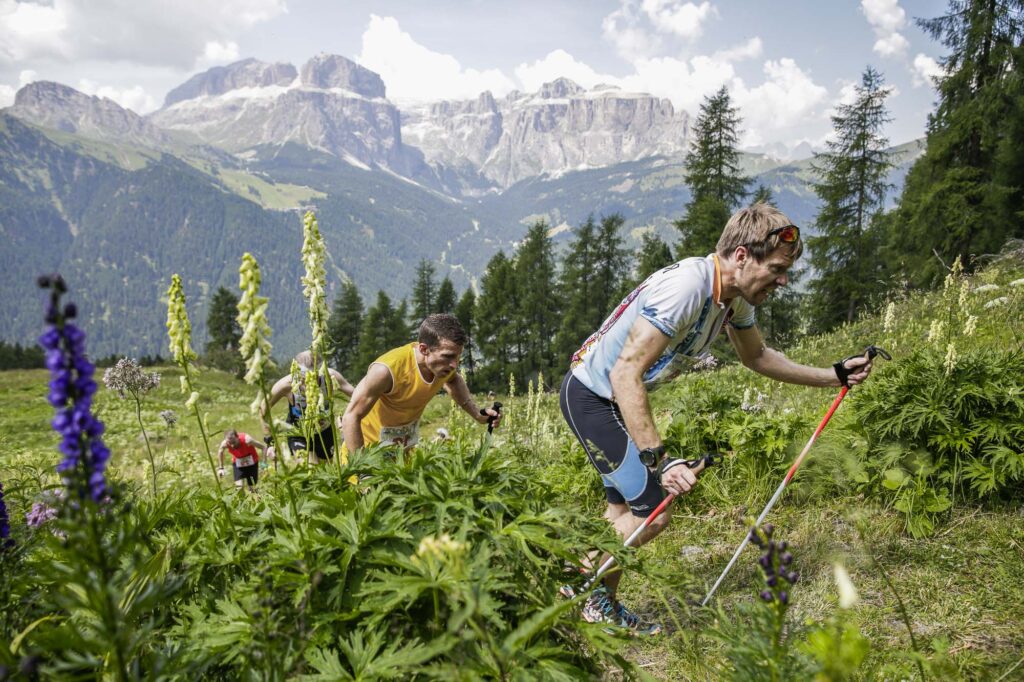
The tech a mountain athlete needs to train well: a GPS watch, a real heart rate input, and a way to judge whether the next device is worth your money.

Understand durability as the ability to hold meaningful output deep into a long event, separate from VO2max and threshold, and why it is the highest-leverage capacity for athletes over 50.
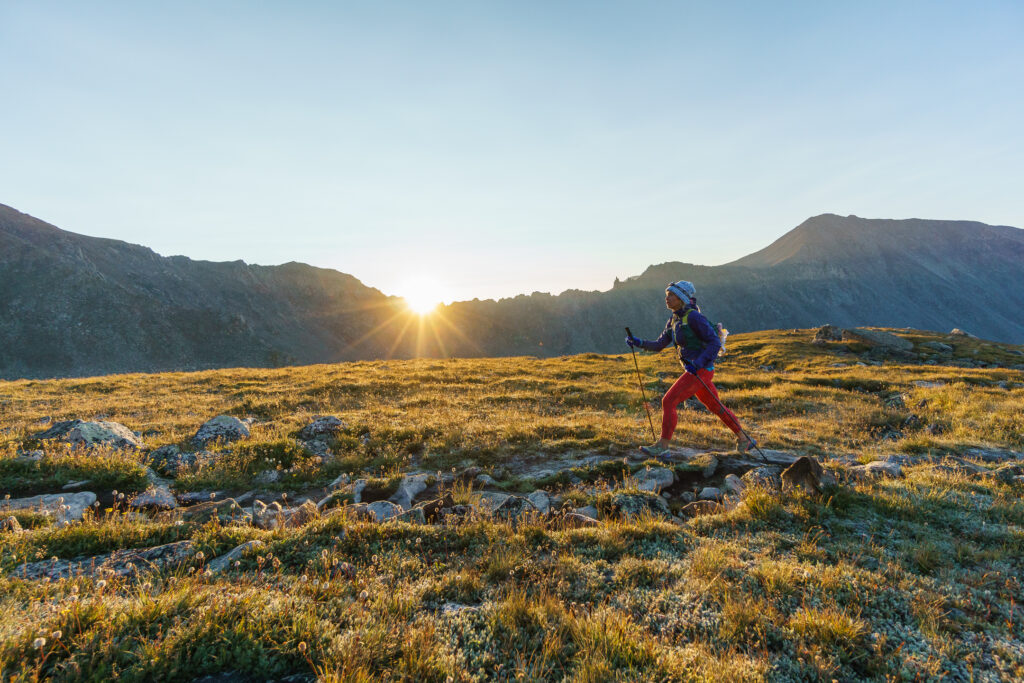
Why training after 50 needs a different weekly pattern than the one that worked in their thirties, and how to run the 5+2 structure.
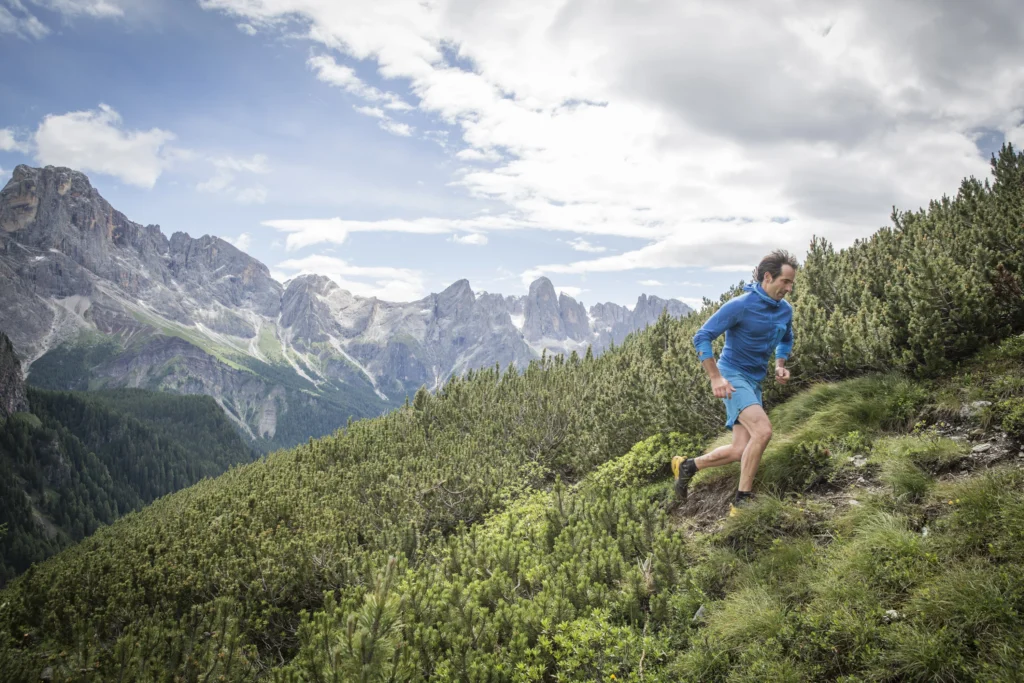
The case for an aerobic base grows stronger, not weaker, after 50. Aerobic adaptations have to be rebuilt.

How Continuous AeT reads an aerobic threshold from ordinary training, why those everyday conditions can pull a first estimate low, and why the number is a starting point the athlete or coach is meant to govern.
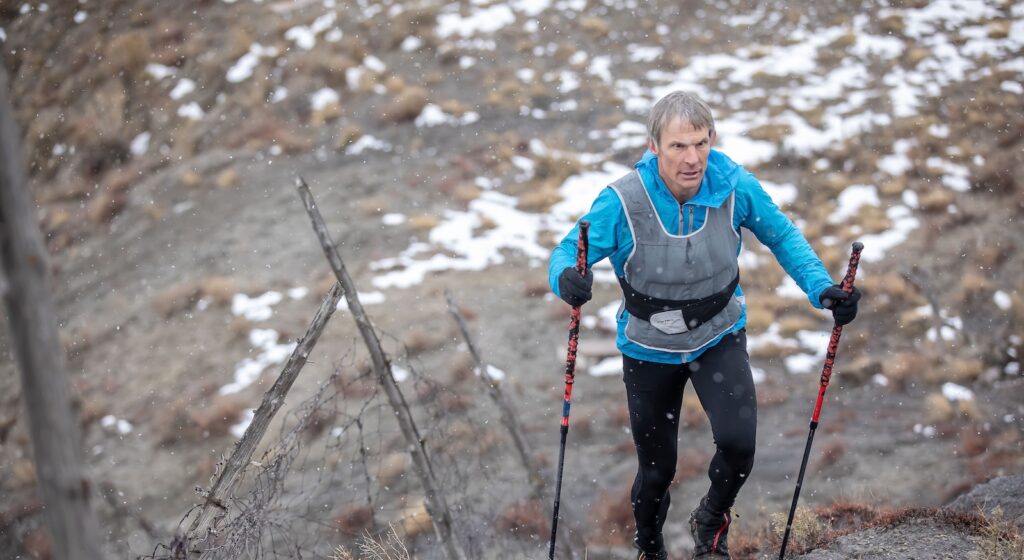
We Tested Our New Tool Against 65 Hand-Scored Athletes. Here Is What We Found.
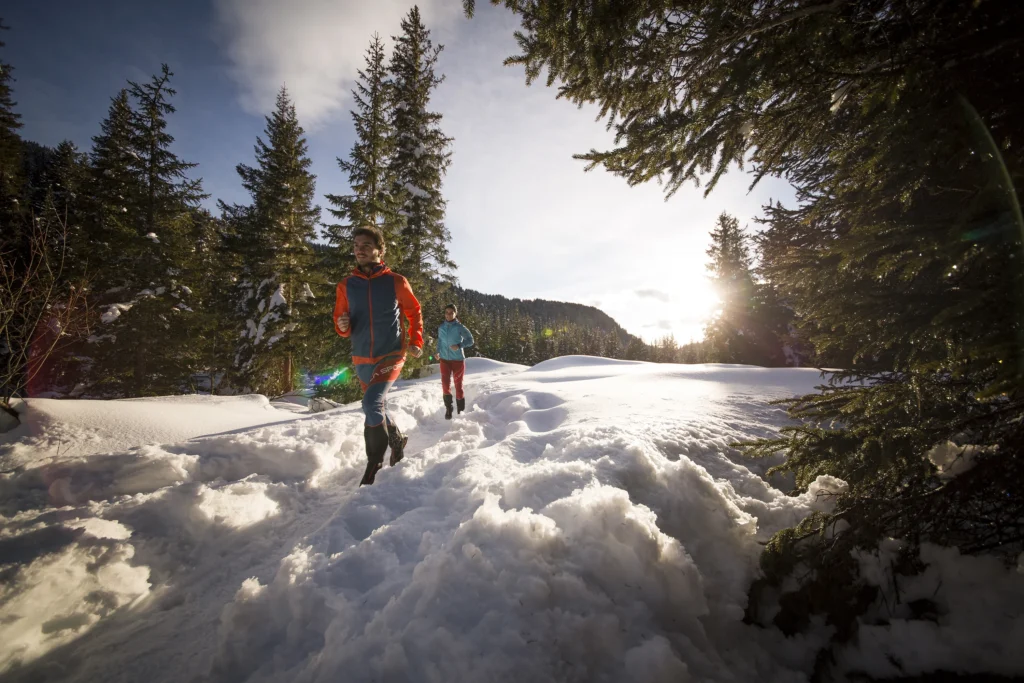
A conversation with Dr. Øyvind Sandbakk on aerobic threshold, heart rate zones, training intensity distribution, and the long arc of aerobic capacity development.
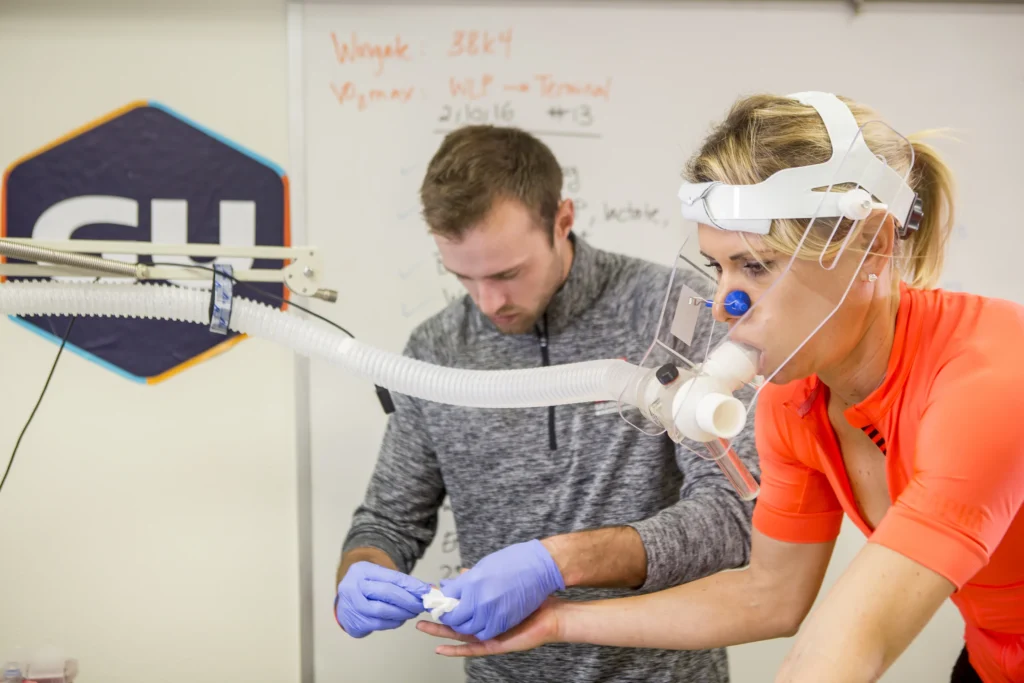
Why Blood Lactate Testing While the Gas Exchange Test is the gold standard for determining your metabolic response to exercise, a simpler and cheaper alternative exists. Blood lactate testing has been a standby for coaches and athletes ever since portable lactate analyzers hit the market. These handheld devices are roughly the size of a blood […]