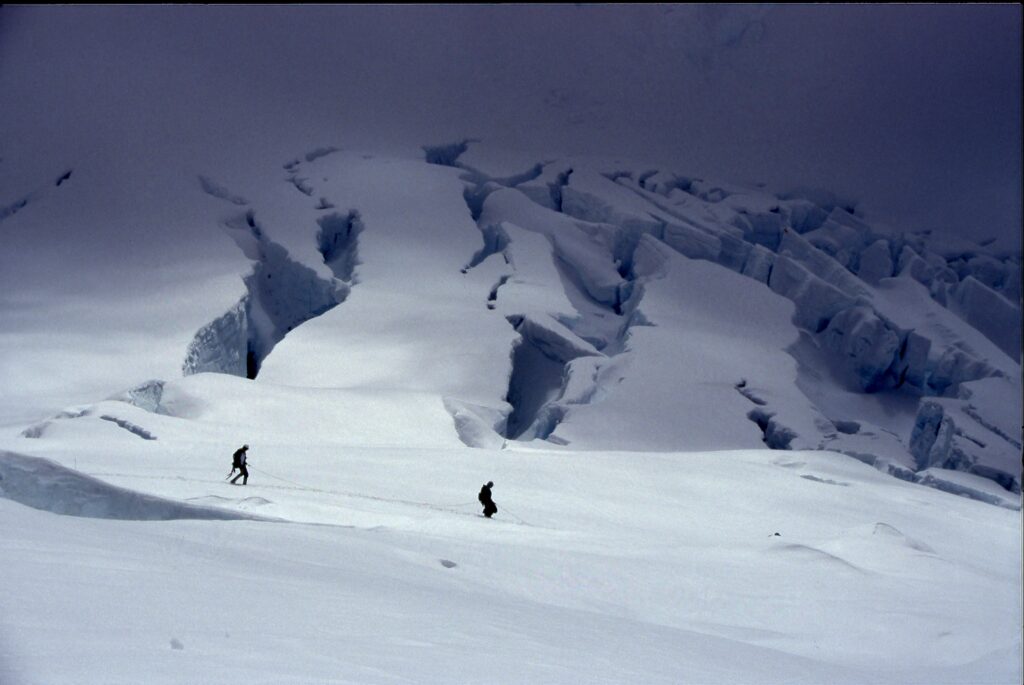
The New Year often brings big resolutions—grand ambitions and lofty goals. But here’s the truth: big dreams aren’t built in big gestures. They’re built in the quiet moments of showing up, day after day, whether you feel like it or not. For those of us drawn to the mountains, whether we’re running trails, climbing peaks, […]
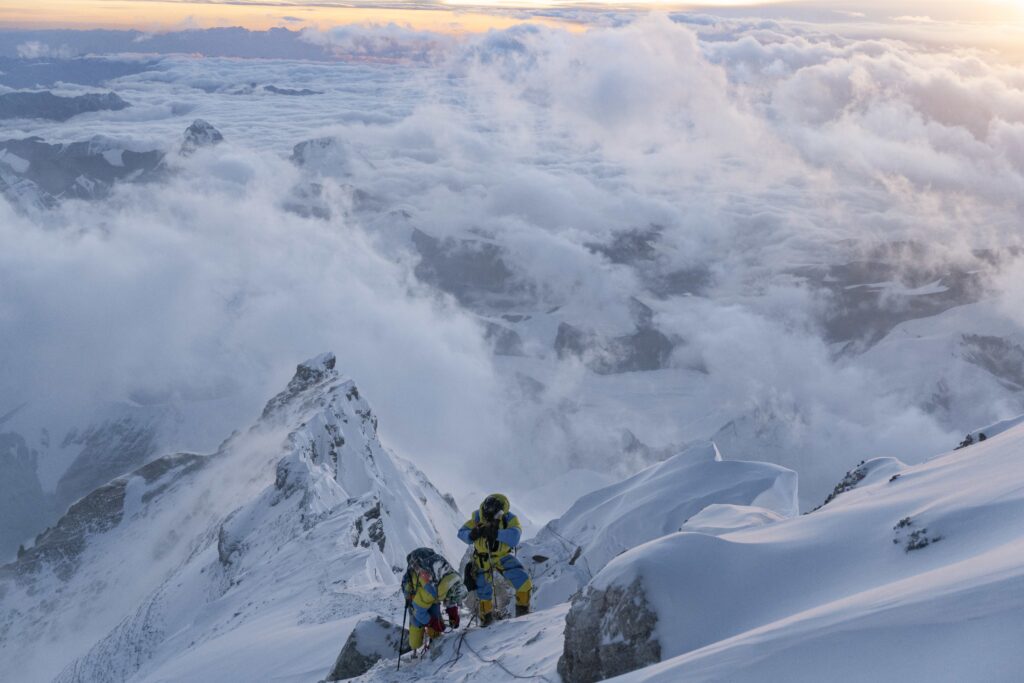
The point of climbing a mountain like Everest is to become the person that can climb Everest. Training for a Mount Everest expedition demands a meticulous blend of physical, mental, and technical preparation. There is no simple answer to the question “How do you train for Everest?” because preparing for the highest peak on Earth […]
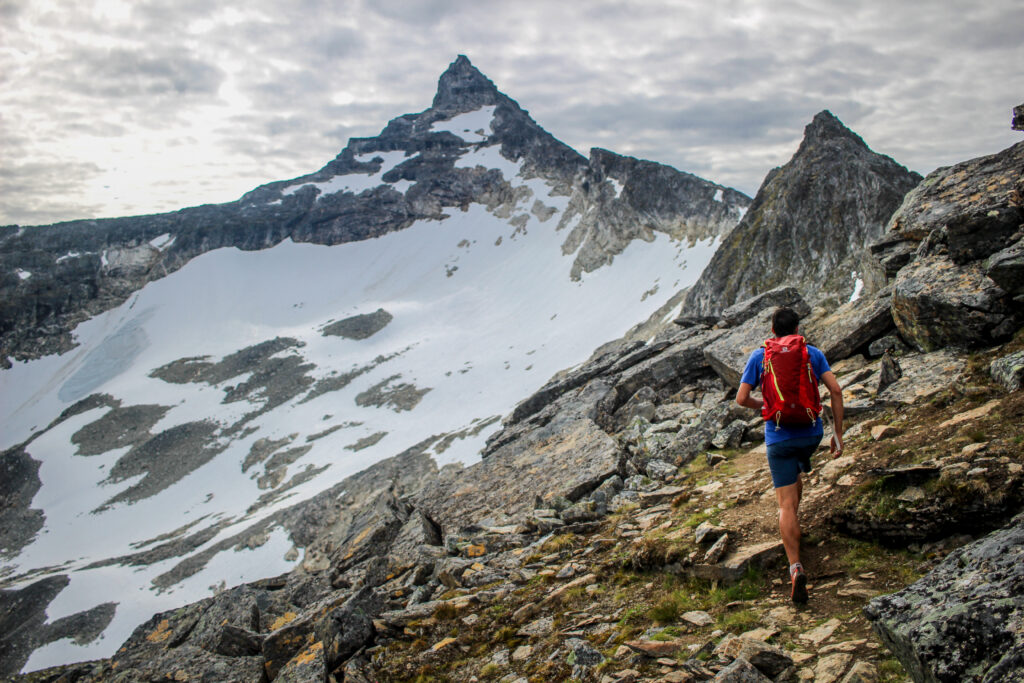
Switching between seasonal sports can be tricky. Read Uphill Athlete’s recommendations for mountain athletes to ensure an enjoyable, injury-free transition from winter skiing to spring trail running.

No mountain has ever been climbed. Those steps, those handholds, those ice axes are the foundations upon which we lift ourselves—and one another—up. Not above others, not even above our past selves. We go to meet ourselves. Our true selves. The mountain truly is an analogue to ourselves. “Within alpinism’s narrow framework we seek transcendence […]
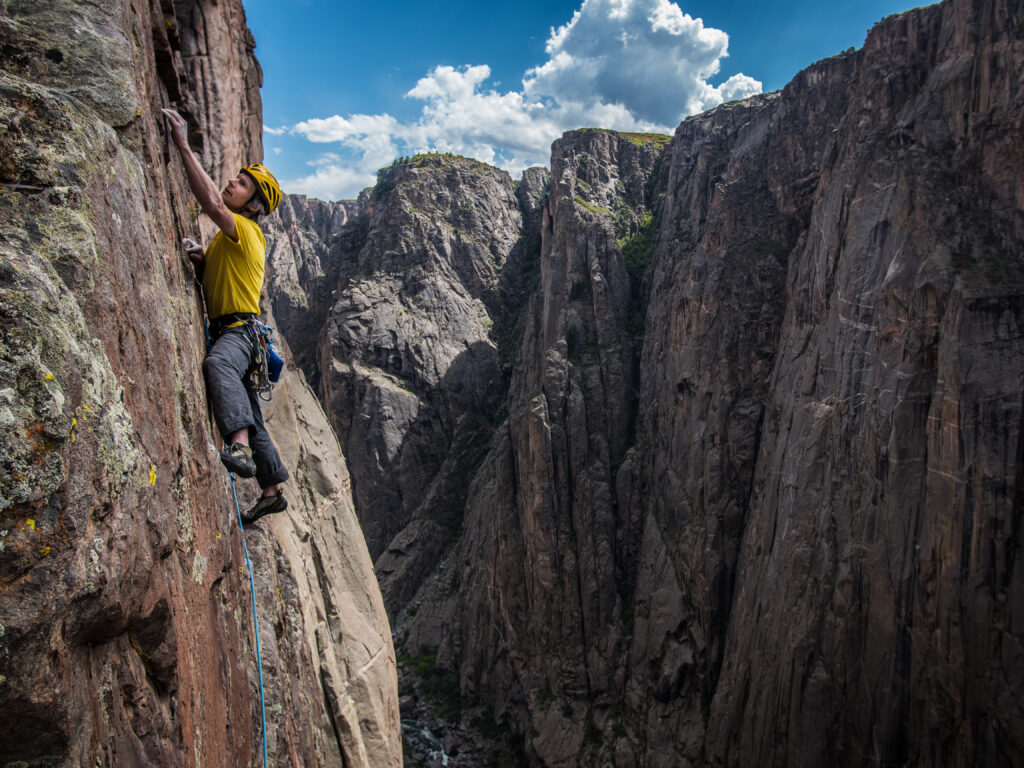
Want to know everything about training for rock climbing? Read on to develop the necessary strength, technique, and endurance to tackle any angle of ascent.
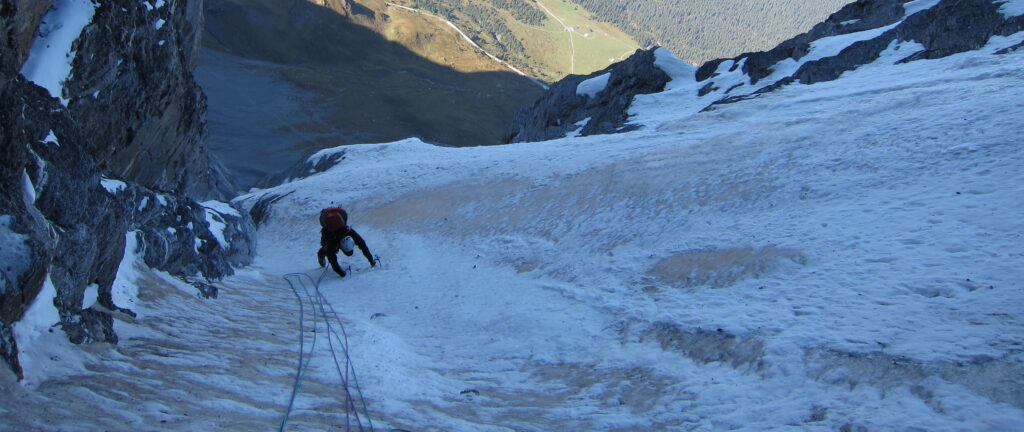
Training for alpinism is arguably one of the most complex mental and physical skill sets that people train for simply because you have to be good at everything. For many climbers the 1938 route on the Eiger would rightfully be a career highlight. It is a brilliant climb, truly world-class in every way. In this […]
In my last newsletter I had asked you to join me in “wrestling the why”, and you responded with a quality and quantity of thought provoking insight well beyond my expectations. So today I share your thoughts with. After all, this conversation belongs to us all. Noel Gerritse wrote: Training helps me feel better: I’ve […]
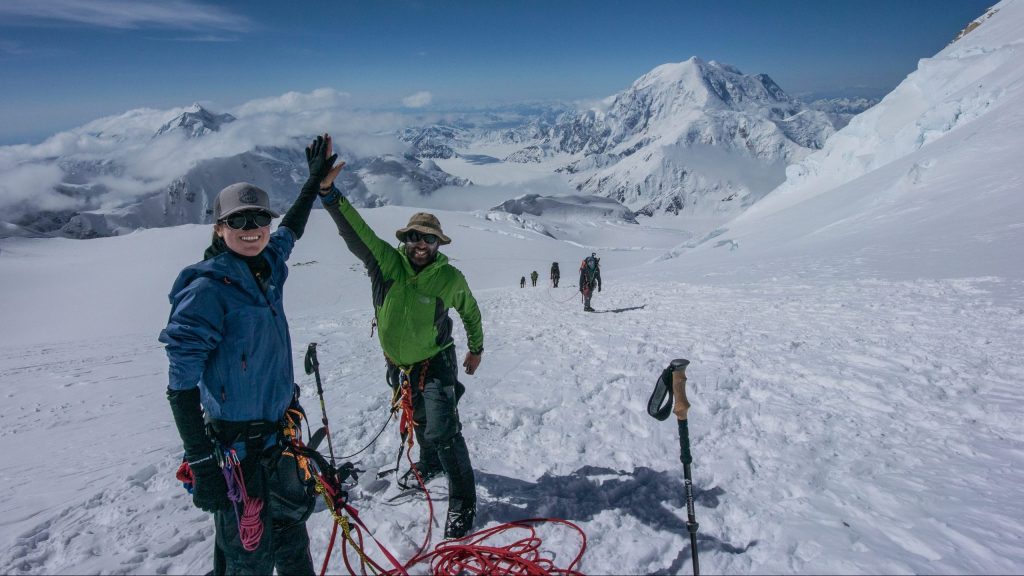
Veteran Denali guide and Uphill Athlete coach Mark P. walks you through the clothing and personal gear he uses on Denali. Filled with details and tips, this video is a must-watch for anyone considering gearing up for North America’s highest mountain. Uphill Athlete’s Recommended Denali Clothing and Gear List Things we don’t bring
Whether you are training for Everest, Rainier, Mont Blanc, or a Colorado 14er, the physiology of endurance is universal.
Boost your uphill endurance with this gym-based Mountain Endurance workout.