When Endurance Athletes get Concussions
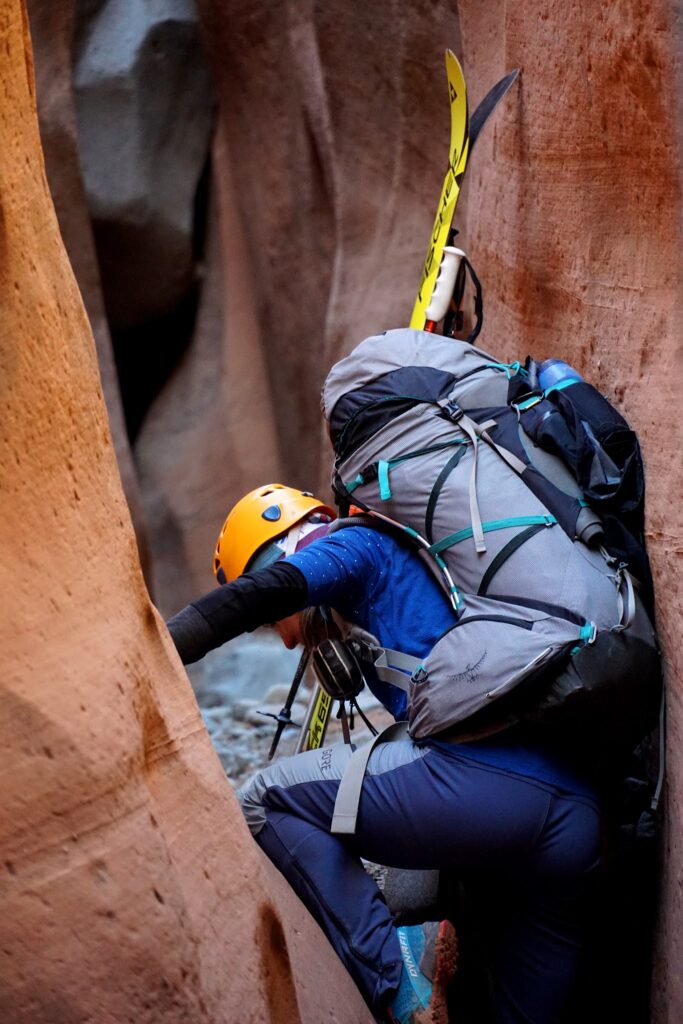
Why Invisible Injuries Demand Visible Care.

Why Invisible Injuries Demand Visible Care.
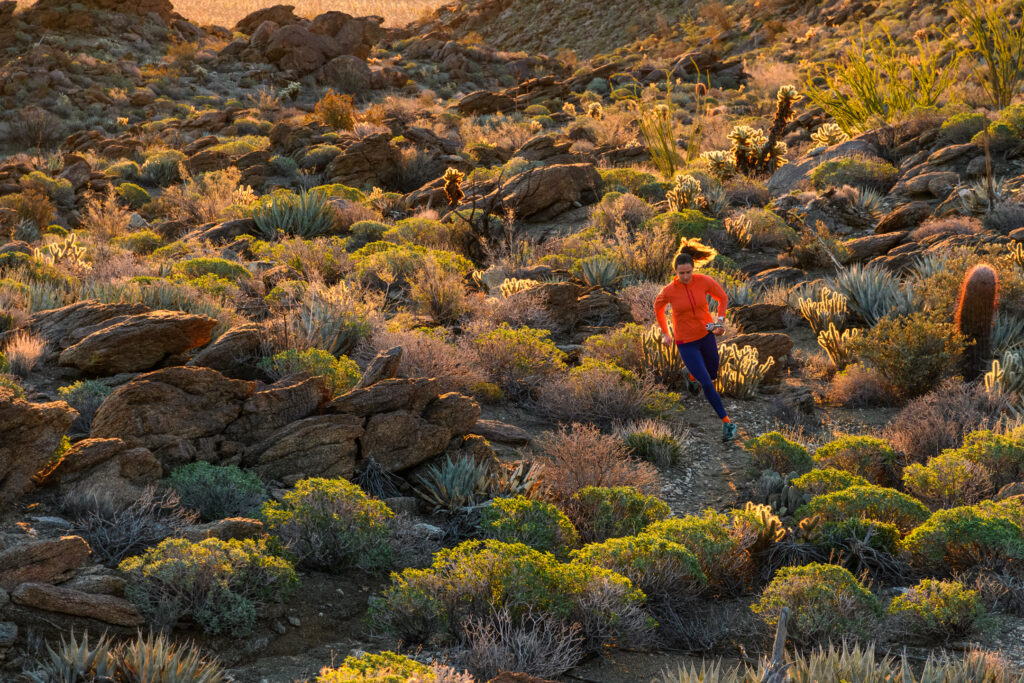
Zone 2 is the top of your aerobic base: the hardest steady effort you can hold while your body is still fueled mainly by fat. It is the most valuable training intensity for almost every endurance and mountain athlete, and it is the one most people get wrong. The reason is simple. Most Zone 2 […]

Practical strategies to optimize gas exchange through breathing techniques, hydration and iron management, proper acclimatization protocols, and self-awareness of their body’s individual responses to hypoxic stress.
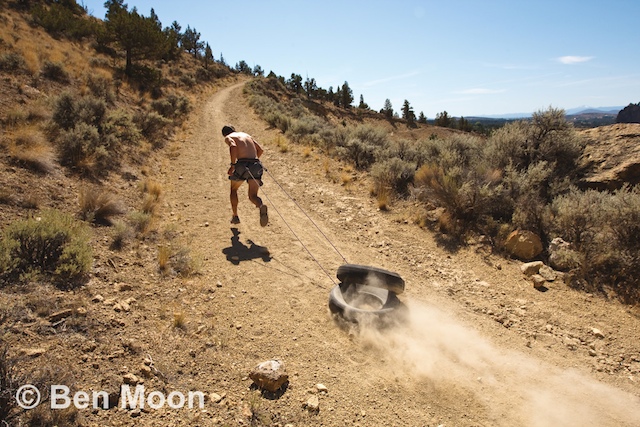
Practical coaching insights from Martin Zhor and Ben Morley, including field observations from UTMB and high-altitude expeditions.
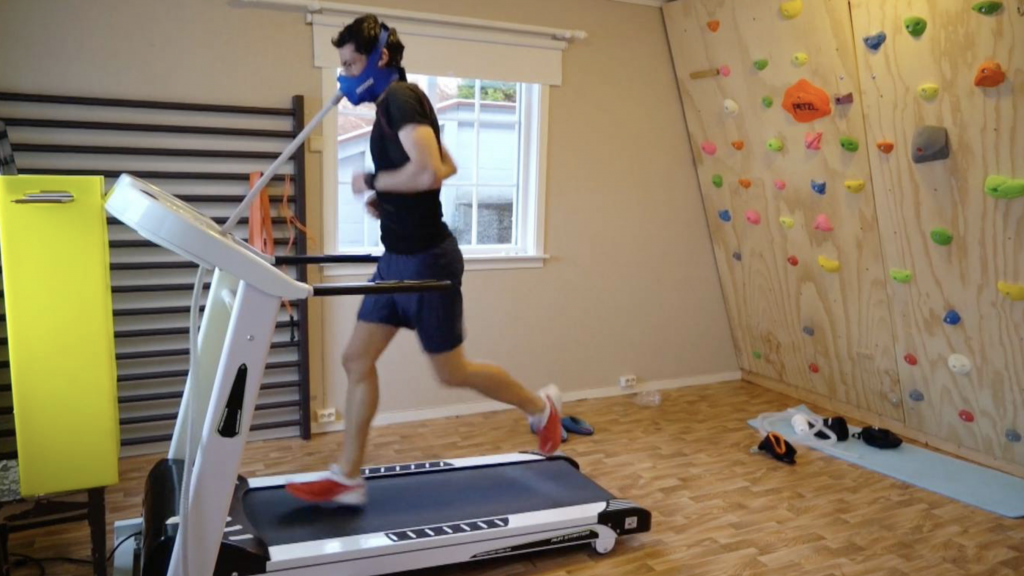
Assessing your Zone 2, or more accurately, your Aerobic Threshold is important because that is how you will correctly define your training intensities for different workouts. This article summarizes the current best-practice recommendations for aerobic self-assessment. Embedded throughout you will find links to older articles—for those who Assessing your Zone 2, or more accurately, your […]
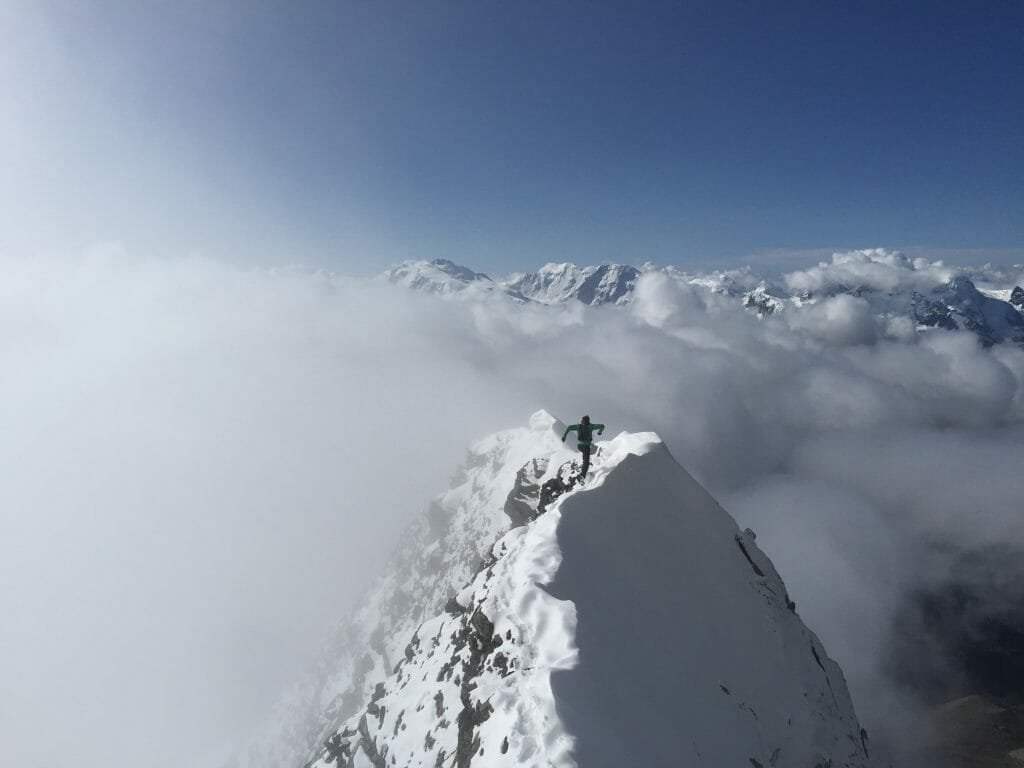
Why Metabolic Efficiency Matters Consider this week of mountain activity, all performed by one person: Days 1–2: Approach on foot from Chamonix to the north face of the Grand Jorasses. Climb the Colton-MacIntyre route (ED, VI, 1,200 meters) and descend into Italy. Total time: 27 hours. Total fuel consumed: two gels and half a liter […]
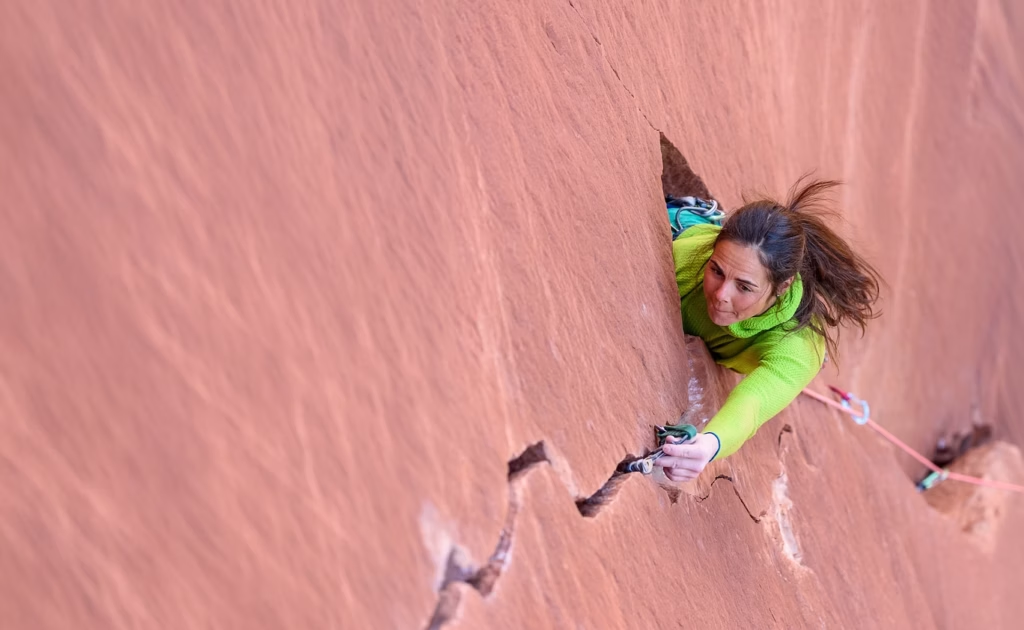
Many female endurance athletes underestimate strength training. In mountain sports, it may be the most important training you do.

Discover a practical goal-setting framework for endurance athletes that prioritizes process, consistency, and long-term performance.
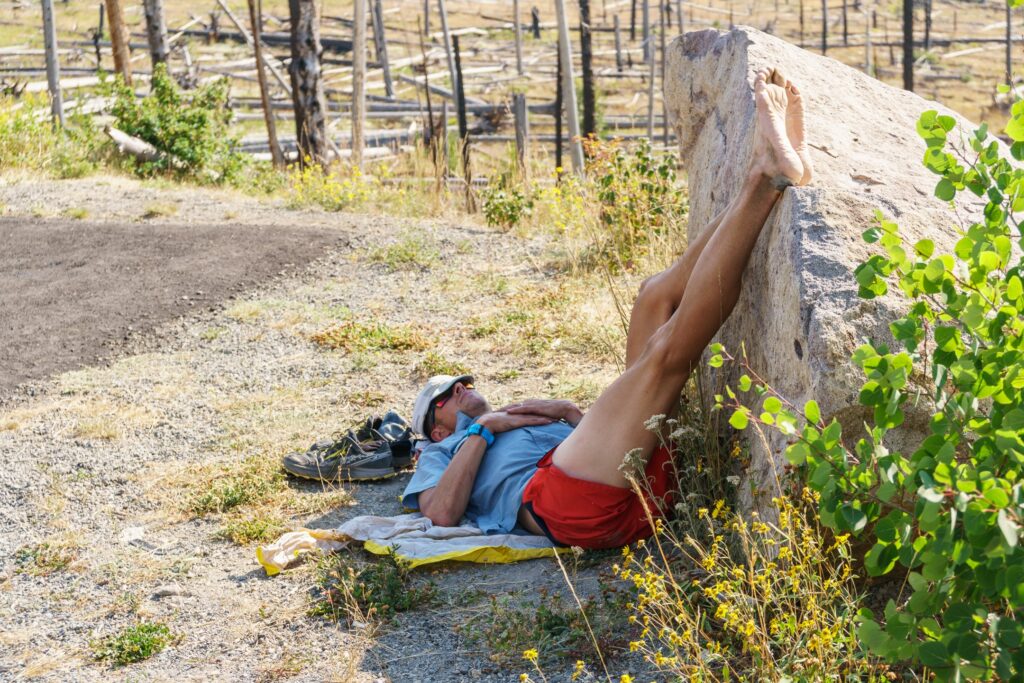
Discover practical foot and ankle care strategies tailored for endurance athletes—from biomechanics and injury prevention to recovery tactics and footwear insights—to support your training, performance and long-term mobility.
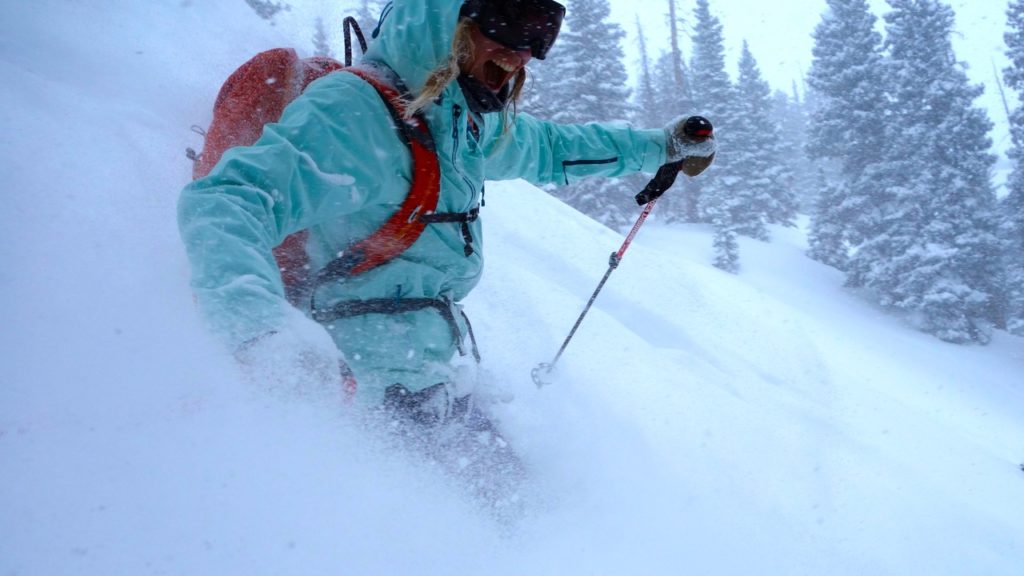
If you are like us, you want to be ready when the snow comes and you can get into the back country. Even if you’ve fallen off the endurance training wagon with all the rock climbing you’ve been doing, you’ve still got time to make some appreciable gains in the next 8 weeks. A couple […]