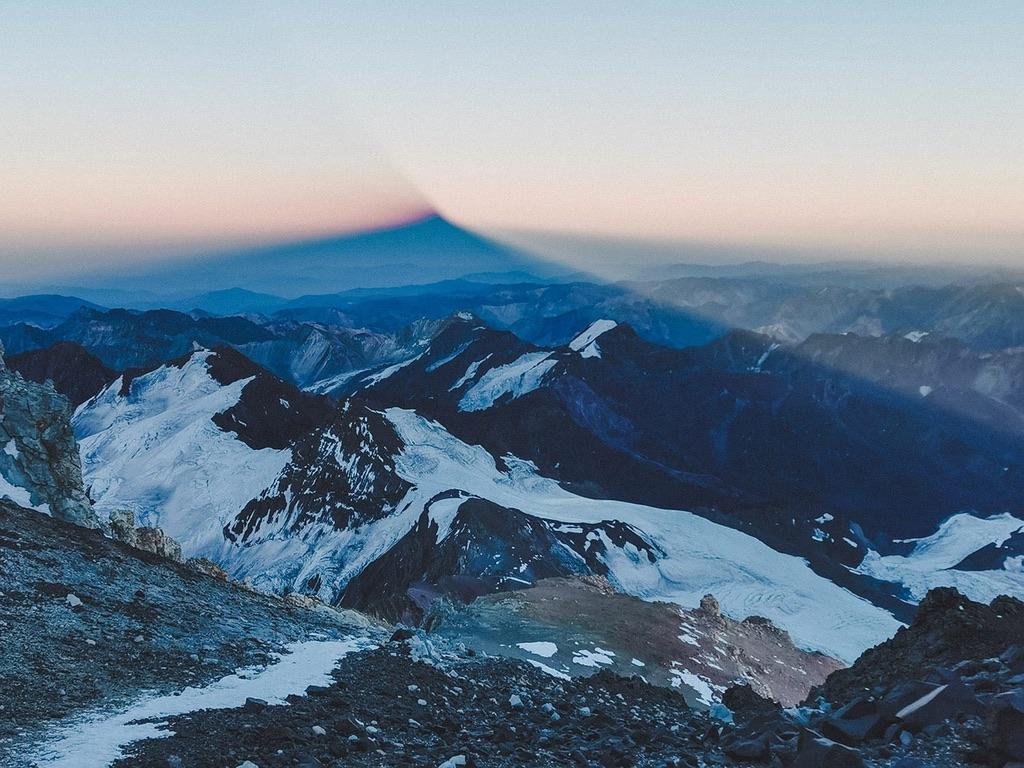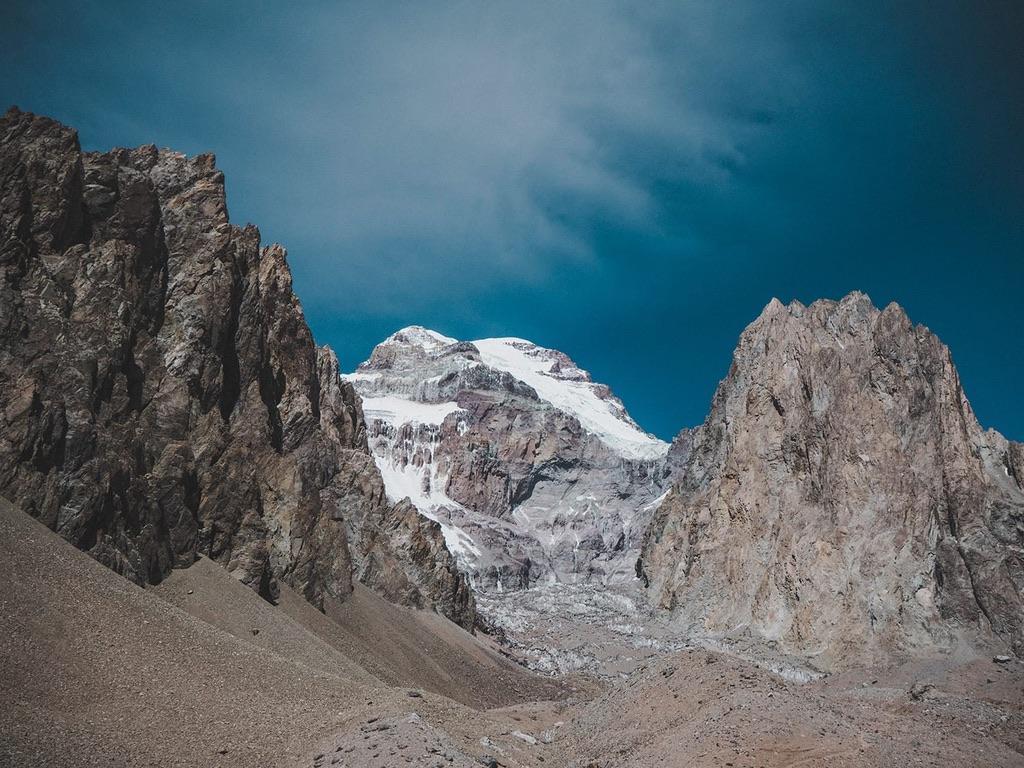
Climbing Aconcagua requires months of structured endurance training, targeted strength work, and a deliberate acclimatization strategy. At nearly 7,000 meters (23,000 ft), it is the highest mountain outside of Asia, and despite its reputation as a non-technical ascent, it presents a serious combination of high altitude, extreme cold, strong winds, and cumulative multi-day fatigue that catches many climbers underprepared.
I have climbed Aconcagua three times, including via two different routes, and one speed ascent from Plaza de Mulas to the summit in 3 hours and 38 minutes. I have also coached dozens of athletes through preparation for this mountain. The high altitude and cold weather expose weaknesses in fitness, logistics, and mindset in a way that few other climbs do. For many, Aconcagua is a stepping stone to Denali, Everest, or technical objectives in the Greater Ranges. For all, it is a true test of preparation. Here is what matters most.
What Makes Aconcagua Different from Other High-Altitude Climbs?
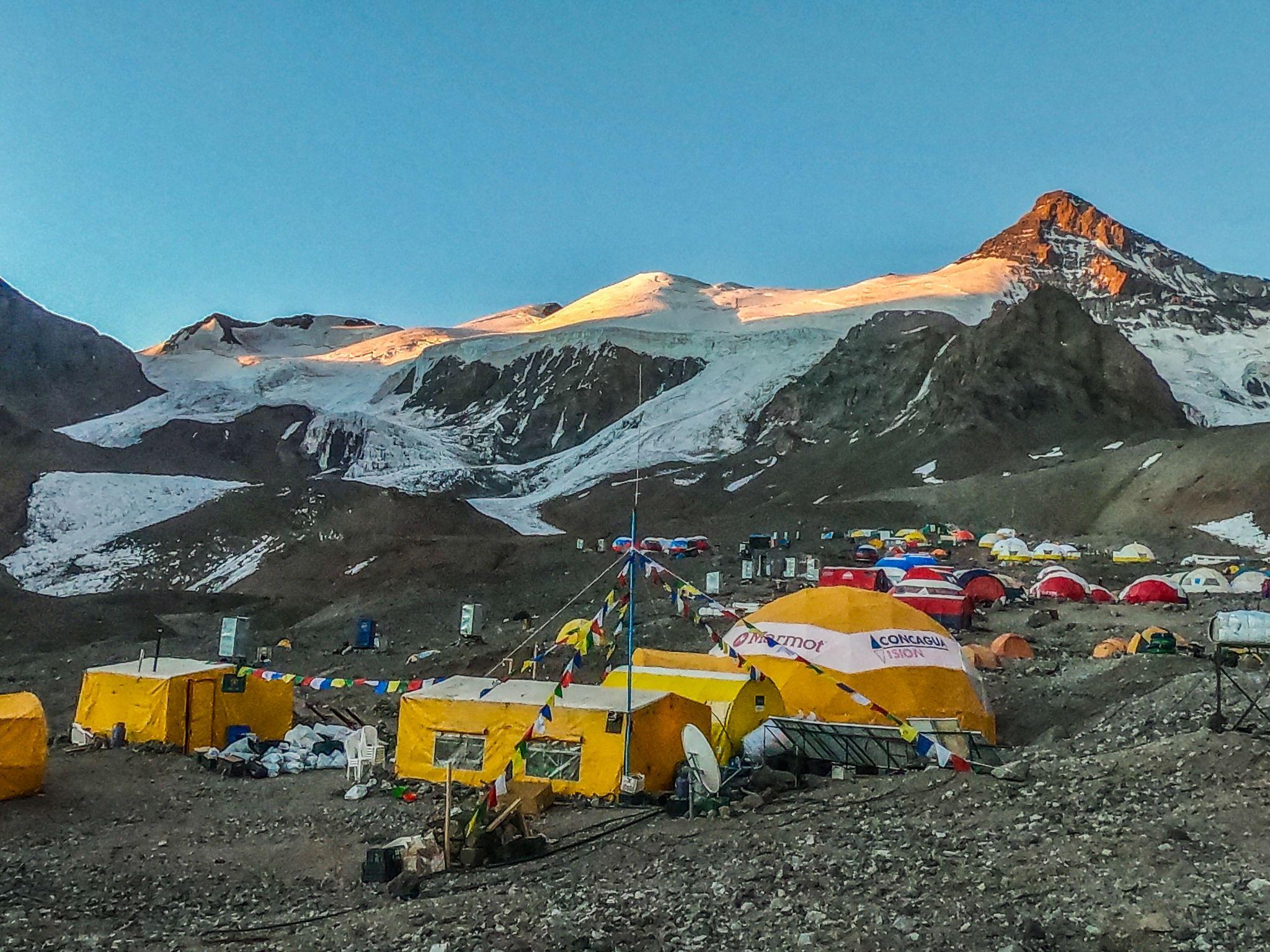
Aconcagua offers several established routes—most notably the Normal Route via Plaza de Mulas and the 360 Route via Plaza Argentina. The former is shorter and more direct, while the latter provides better acclimatization through a longer, more scenic approach.
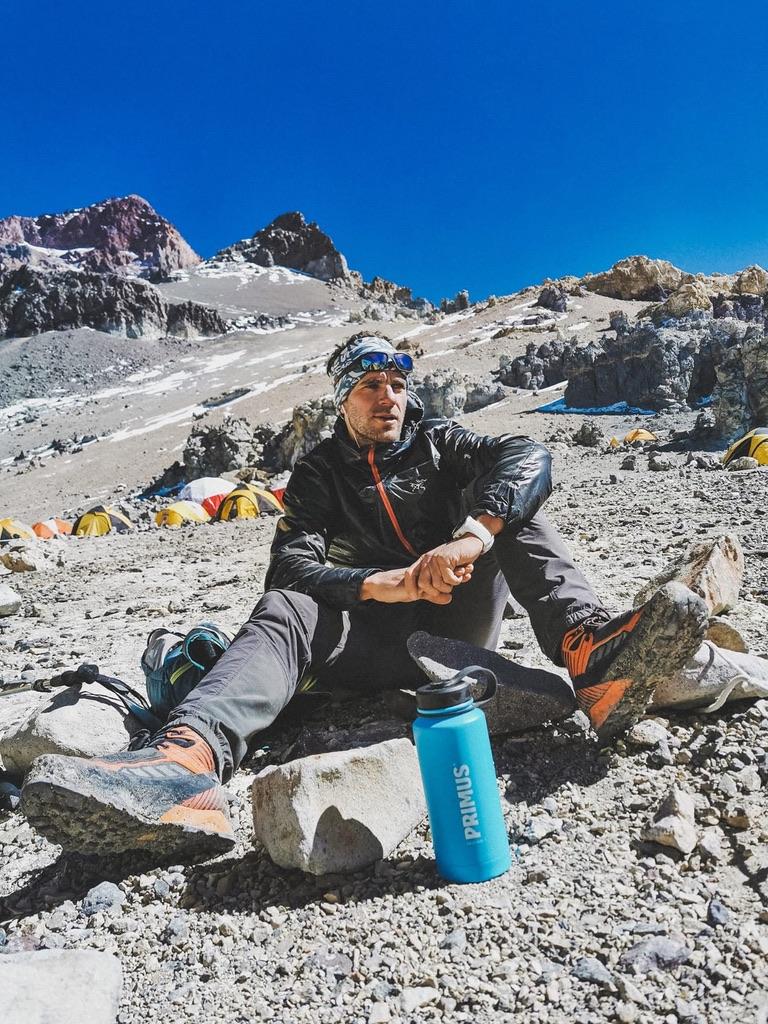
Despite its lack of technical climbing on the normal routes, the mountain is still a major challenge. Conditions can rapidly shift, with freezing temperatures, strong Pacific winds, and high-altitude exposure making it one of the most physically and mentally demanding Seven Summits. High camp temperatures can drop to –30°C (–22°F), with wind chill plunging temperatures below –50°C (–58°F).
As one of the Seven Summits, this mountain is a significant step forward in your climbing and mountaineering progression. It allows you to experience the kind of altitude you’ll need to reach without supplemental oxygen when tackling 7000–8000m (23,000-26,000ft) peaks.
What are the Physical Demands?
The primary physical demands of Aconcagua include:
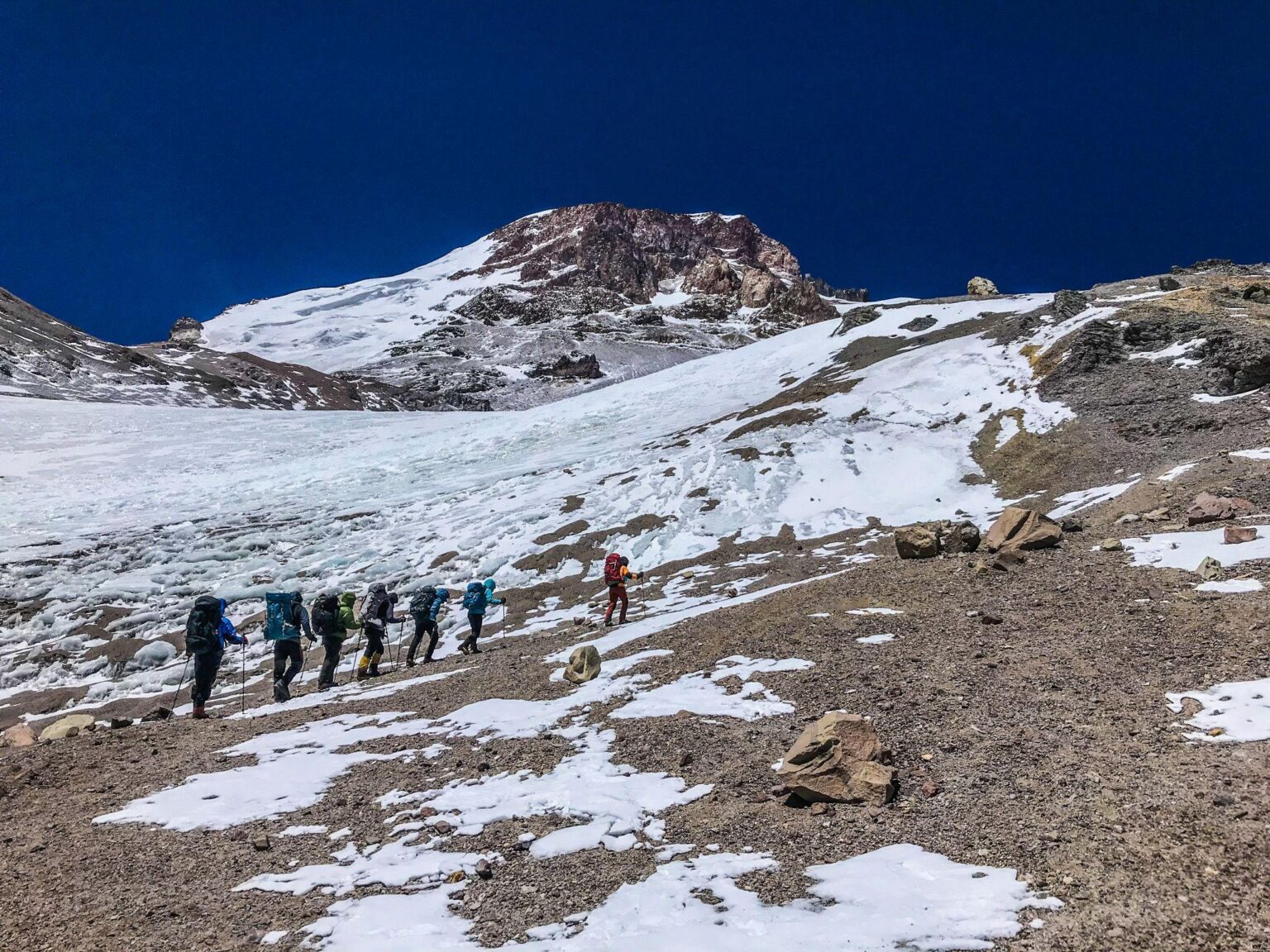
- Heavy load carrying across scree and unstable terrain while wearing heavy boots and gear
- High altitude and cold exposure will impact movement, sleep, appetite, and recovery
- Sleep and recovery disruptions
- Cumulative fatigue from multiple days of effort
These stressors compound over back-to-back days, culminating in a summit push with 1,000–1,500 m (3,280-4,900ft) of vertical gain— followed by a grueling descent on exhausted legs.
How Should You Structure Your Training?
The foundation is the same as for all big mountain objectives: a long-term commitment to structured endurance training. Here’s how I break it down when coaching Uphill Athletes.
- Why Is Aerobic Base the Most Important Factor?
Building aerobic efficiency is the single most important factor. High altitude demands long durations of low-intensity output, where anaerobic metabolism is counterproductive and unsustainable. Training must start months in advance—ideally 6 to 9 months—for adaptations to take place. Read more about aerobic training >> - How Do You Build Strength and Muscular Endurance for Altitude?
Strength development progresses from general strength to max strength to specific muscular endurance—especially relevant for carrying loads at altitude. This also includes targeted work for core stability and balance (knees, hips, spine). Learn more about our strength training philosophy >> - Fatigue Resistance & Training Density
Structured back-to-back long Zone 2 sessions (often on weekends) simulate the cumulative fatigue experienced on multi-day ascents. Balancing these with rest days and recovery workouts helps develop “durability.” - Adaptation to Stress
Overall stress must be factored into the training plan. Athletes balancing work and family life require individualized programming that respects their bandwidth. Smart planning of training density (distribution of intensity and duration) prevents overtraining and burnout. - Internal Monitoring & Self-Awareness
While wearable data (heart rate, HRV, etc.) is helpful, subjective feedback remains highly relevant. Athletes must learn to read their bodies and self-assess—particularly when external data becomes unreliable due to dehydration, sleep loss, or altitude. - Acclimatization Strategies
Time under hypoxia is the most critical variable in acclimatization. Most Aconcagua expeditions take 2–3 weeks on the mountain, with a permit-enforced 20-day limit. Proper acclimatization involves slow, steady ascents, rest days, and carries to higher camps before sleeping low.For those with limited time, pre-acclimatization protocols using hypoxic tents or active hypoxic training can simulate altitude adaptation at home. However, these methods require expert guidance to be effective—doses must be personalized, monitored, and strategically timed. Read more: What we know and what we don’t know about Xenon gas >>
Hypoxic Conditioning Coaching
What Are the Most Common Mistakes?
- Underestimating the climb: Non-technical doesn’t mean easy. Altitude, cold, wind, and logistics make it one of the most physically draining Seven Summits.
- Inadequate preparation time: True aerobic adaptations take months, not weeks. There are no shortcuts to building fitness, so start at least 6 months out from departure.
- Skipping strength and loaded pack training: Most climbers will carry their own gear to high camps. Not training for this can result in exhaustion—and failure.
- Neglecting descent fitness: Many accidents happen during descent, when energy is low and coordination is impaired. Leg soreness from a long downhill requires more recovery at higher elevations.
- Disregarding pacing: Heart rate data becomes unreliable above base camp; climbers must rely on feel and experience to avoid overexertion.
How Important Is Mental Preparation?
Altitude is uncomfortable. You can experience headaches, nausea, fatigue, poor sleep, and low appetite. Developing the mental capacity to endure discomfort and stay present is as crucial as your physical conditioning. One valuable skill is breaking tasks down: when feeling terrible, focus on the next small thing—boiling water, lacing boots, eating a bite of food. Visualize the climb and the hardships you may encounter. Challenge yourself during training and develop resilience- you will need it on Aconcagua!
Final Thoughts - Why Aconcagua is Worth It
Aconcagua rewards preparation and punishes shortcuts. If you build the aerobic base, develop the strength to carry loads at altitude, acclimatize deliberately, and arrive with the mental tools to manage discomfort, you give yourself every opportunity to stand on top. The summit view stretches across the Andes and stays with you long after you descend.
If you are preparing for Aconcagua and want help structuring your training, Uphill Athlete has coached hundreds of athletes for this climb. Whether it is your first high-altitude expedition or your next step toward bigger objectives, we can help you arrive ready.