
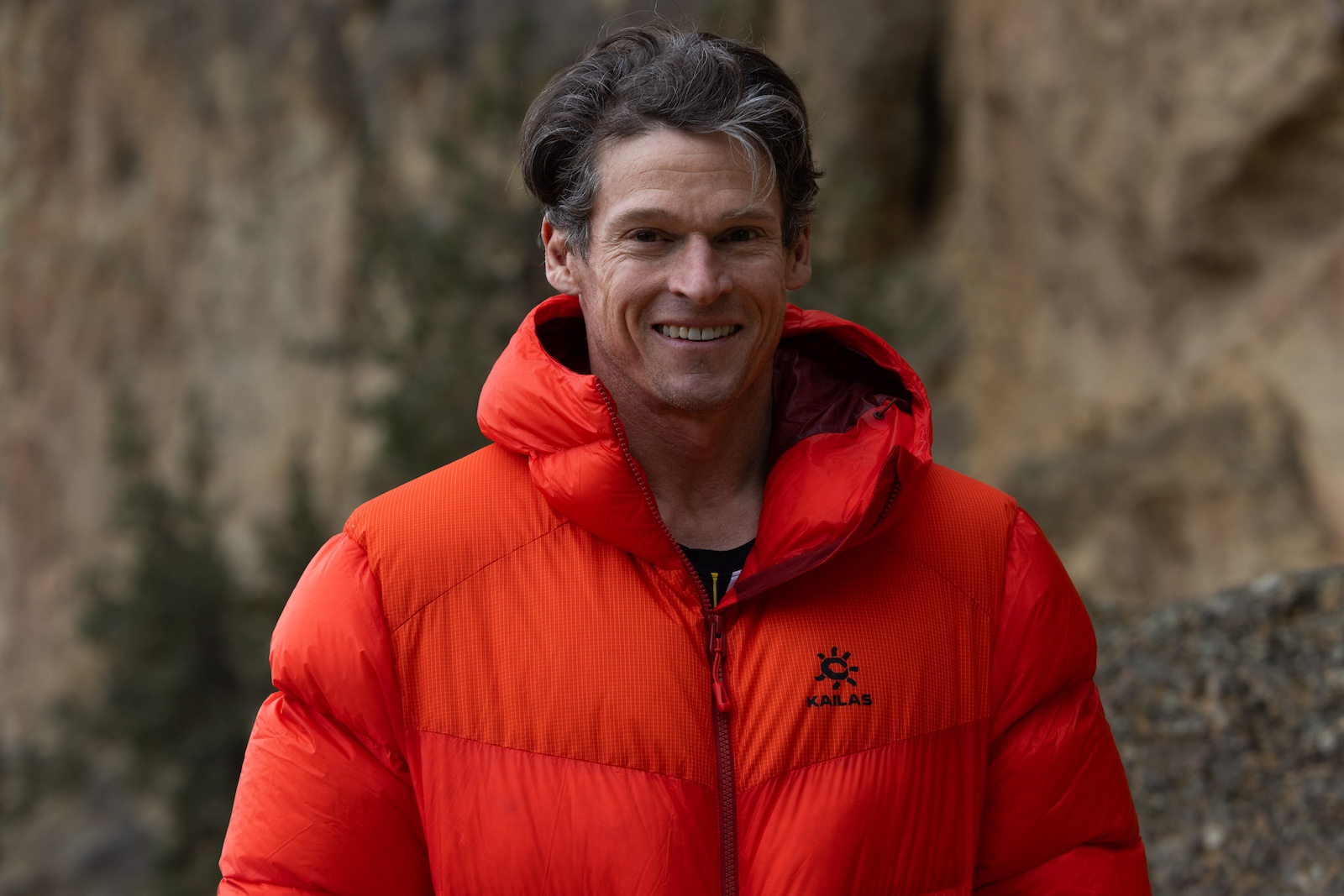
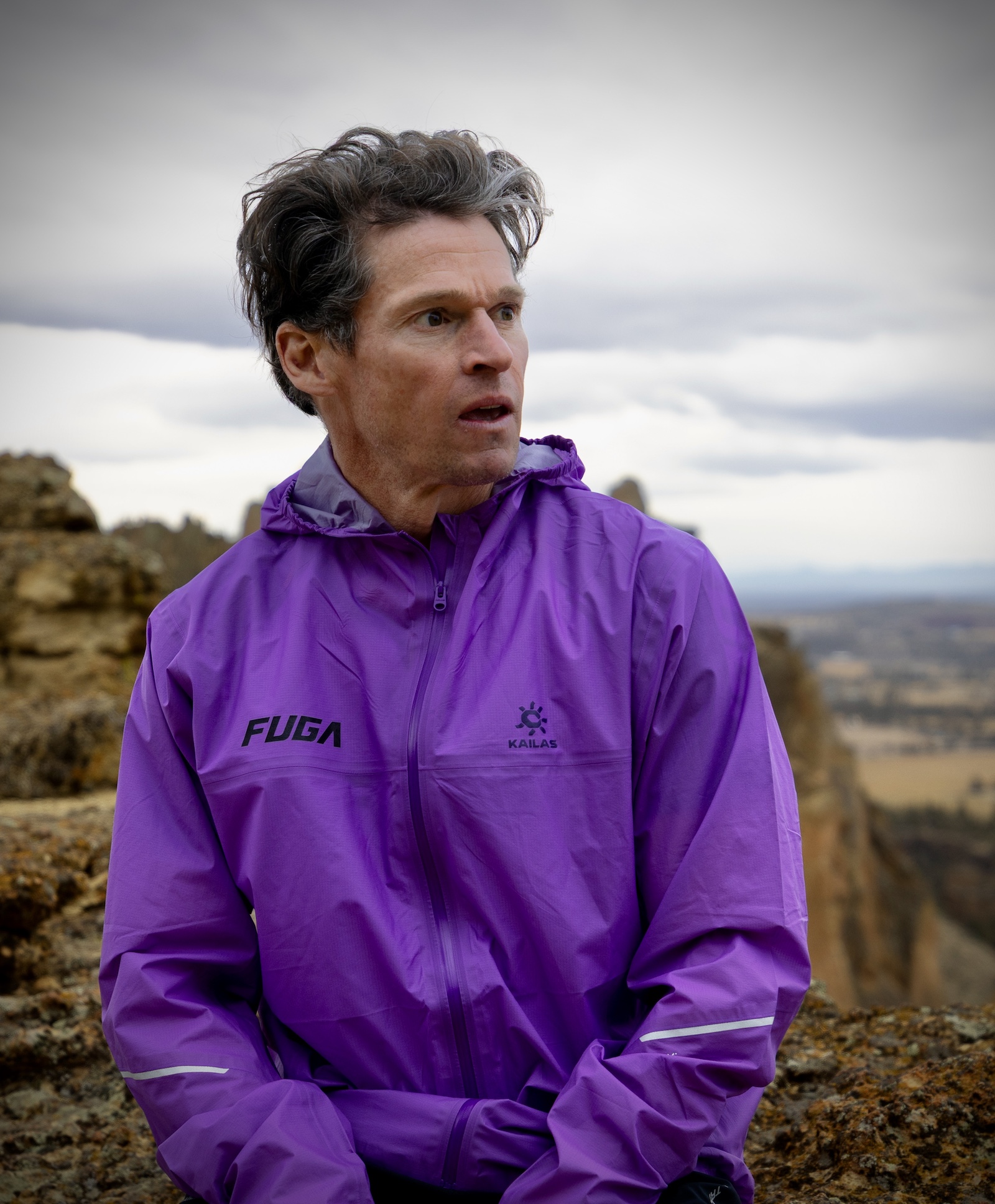
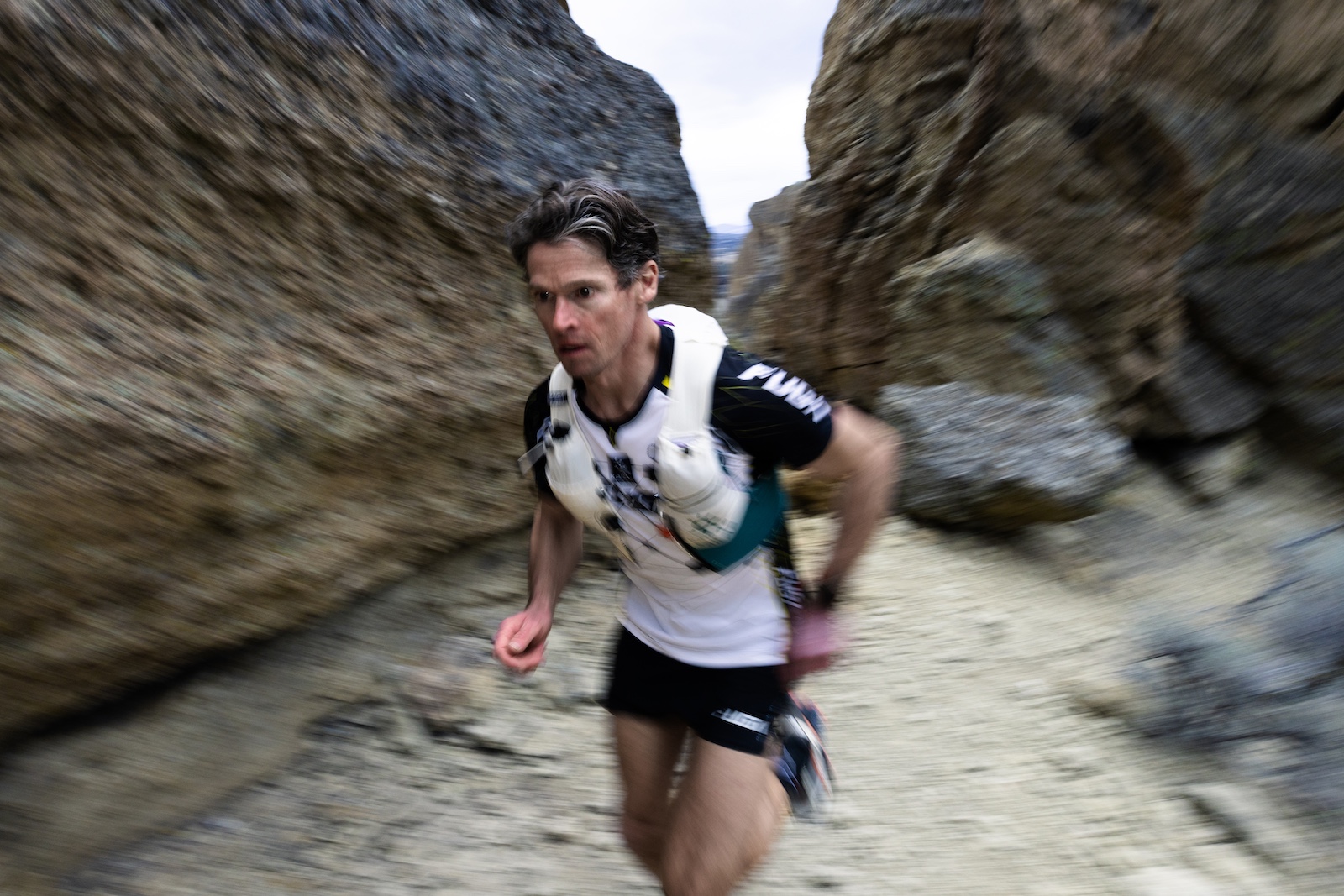
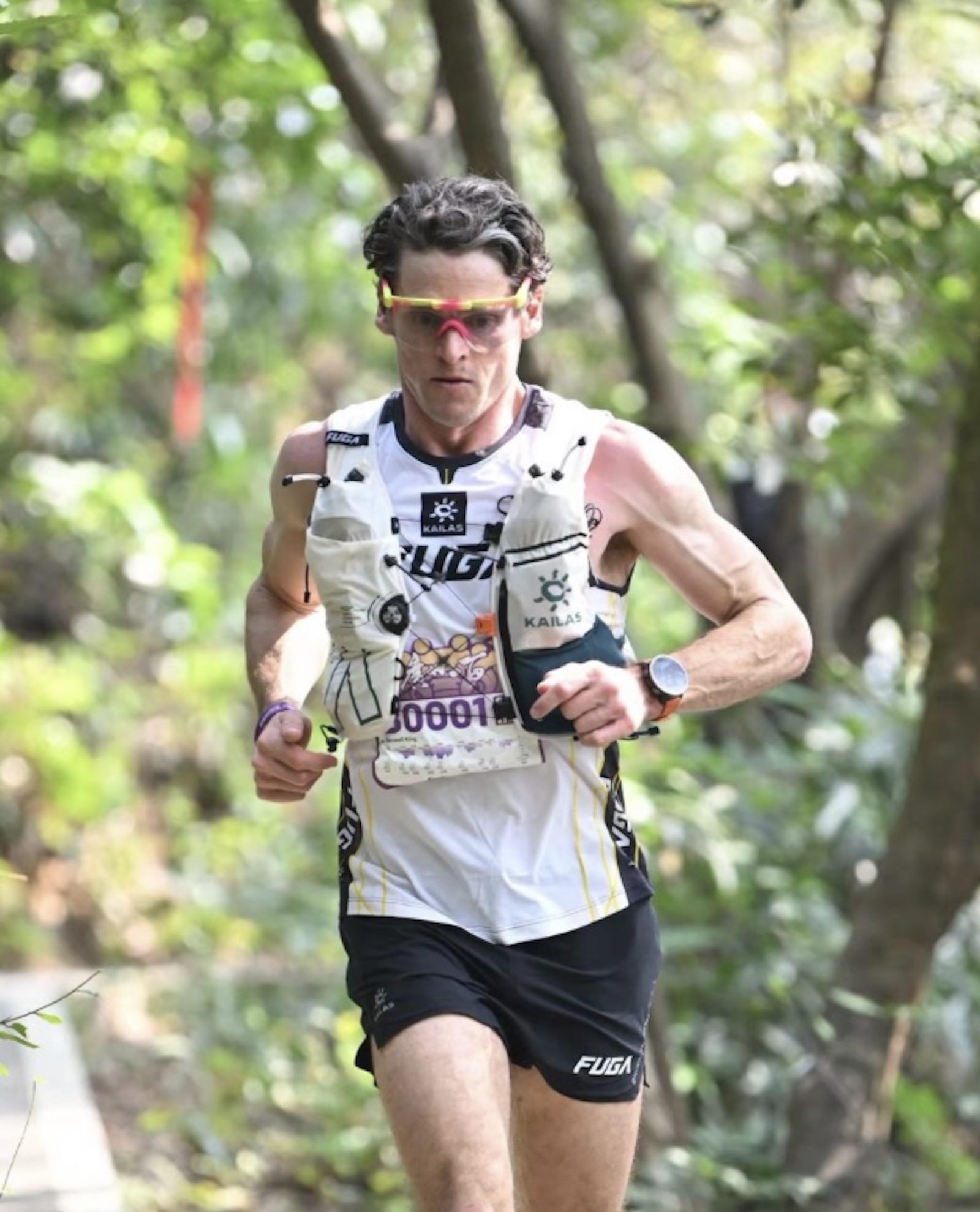
In this episode of Voice of the Mountain, Steve House sits down with Max King — the only American ever to win both the World Mountain Running Championship and the World 100K Championship — for a wide-ranging conversation about identity, competition, and longevity in endurance sport. Max traces his path from a chemical engineering degree and Cornell track team to Olympic Trials appearances in both the steeplechase and marathon, his accidental first ultra the week after a disappointing Trials prelim, and his eventual move into trail and mountain ultrarunning, including a recent attempt at the Barkley Marathons. The two dig into the tension between elite competitiveness and the collaborative, adventure-driven ethos of trail culture, how aging athletes renegotiate identity as performance declines, and why Max is drawn to races defined by history and mythology — Barkley, Dipsea, Mount Marathon — rather than media hype. The conversation closes on Max’s diversified career (coaching, race directing, youth camps, a new sponsorship with the Chinese brand Kailas) and his hope to be remembered for what he gave back to the sport, especially through youth development.
Exploring the poetic soul of the mountains.
Voice of the Mountains explores the mental and emotional adventures found in discovering who we are and what we’re capable of. Here we engage in self-reflection, humility, and embrace the beauty and struggle of the alpine experience equally.
I’m putting it off. That’s exactly what Max King said when I asked him how a running life is supposed to end. I had expected something more finished. He has had the time to prepare an answer and the resume to back up any answer he chooses. Max is the only athlete to ever win the World Championships at both mountain running and the 100 km. two events that are just from desperate ends of endurance. He’s 45 years old now, and the morning we spoke, he had already raced a local 10 mileer. He’d been sick all week, 2 days into antibiotics, and on a small uphill, he dropped a pack of younger men who had been gunning for him since the start. A man like that could retire the way a friend of his did with a party and an announcement. He could fade away quietly the way most do. Instead, he gave me the most honest answer I’ve heard. He said, “I’ve thought about it, Steve, but I’m putting it off. I don’t have a good answer. I’m still putting it off.” Here is what I want you to listen for today. Not the winning, though there has been a lot of winning. Listen for how many rooms this man has built inside the sport of running. The youth camps, a race he directs, the store where the runners are, the five teammates he still travels with 30 years on from when they last raced together. listened for a teenage boy at a team race in the Oregon high desert crossing the line first and alone and the camp staff asking him where is your team. He says that day changed him and I believe him. This conversation opens our third season of Voice of the Mountains and we are giving this season to the runners, to the culture of trail running, which I am coming to as an outsider, and to the people who have been inside it long enough to hold real perspective because the good stuff, as we know, always bubbles up only after the years have done their work. When my body stopped delivering what my identity was built on, I thought I had to choose who I would be next. But Max is doing something different. He is not solving the ending. He is widening the middle until the ending loses its power to define him. So listen for the moment he tells me what he cannot answer and then ask yourself what you are putting off and whether or not that might be the honest answer for you. My name is Steve House and this is Voice of the Mountains.
If you’re enjoying the show and want to take the next step in your training, join our newsletter and receive a free 4-week sample training plan. Head on over to uphillathlete.com/letsgo. And once you sign up, you’ll instantly get a link to try out some of our most popular training plans. It’s a great way to get a feel for how we train our athletes for big mountain goals. Check it out at uphillathlete.com/letsgo. That’s uphillathlete.com/leggo.
Max King stands alone in the annals of American distance running the only athlete ever to win both the World Mountain Running Championship and the World 100 kilometer championship. Two events that sort of sit at opposite ends of the endurance spectrum. Born in California in 1980, Max has built a career of staggering breadth, competing at an elite level from the 30,000 meter steeple chase on the track to 6day 380 km mountain traverses. his competitive range running from a 356 5K to 214 marathon to a 6-h hour 27 minute 43 second North American record at the 100 km distance as well as an incredible victory just a year or two ago at Dragons Back Race across Wales is probably unmatched by I think any American runner past or present. Max is now in his mid-4s and still winning races. He co-directs the Ben Marathon. He runs youth trail running camps and he does a little bit of coaching. And like so many of us when he was younger, he tried all the sports. He grew up outdoors, campy hiking, surrounded by mountains. He tried soccer, football, basketball, baseball, and in his own words, was terrible at all of them. which all changed one day when he tried running for the first time and won the 30,000 meter race at his first track meet. Max, welcome to the podcast. Welcome to OA Mountains. Yeah, thanks for having me on. It’s quite a pleasure and an honor. Well, the honor is all ours. We’re fellow Oregonians. We were just chatting a little bit before the show and you kind of grew up in the southern end of the Cascades. I sort of grew up in the the northeast corner and now you lived in Bend where I I once lived nearby for for a chunk of my career and what shout out to central Oregon for just being amazing, right? Yeah. No, it is amazing. I didn’t actually think about that either. Like where we grew up is kind of almost well it was opposite corners of the state kind of as far as far away as we could get from each other. That’s hilarious. I remember when I was 12, my uncle, who was teaching high school at uh Grants Pass at that time, not so far from where you grew up, he was like, “Yeah, let’s go do this backpacking trip down the Rogue River.” So we and and he I was like, “That sounds kind of hard.” And he’s like, “Ah, it’s downhill. I mean, you just go down the river, so the trail’s downhill. That trail was anything but downhill.” I was imagining like this. And I remember like him telling me one day coming dragging into camp and he would just leave me. he would just like take off. And I came into camp who knows how many hours later behind him and I was just my feet were killing me and I was whining and he just looked at me and he said, “Steve, pain is temporary.” Wow. That’s that’s harsh for like taking a kid out there and just dropping him in the Rogue River Canyon. That’s hilarious. That’s great. But I that’s I love that trail down there. I mean, that’s beautiful. Anytime I can get down there, I do. And I love that area. It’s an incredible area or anyone who doesn’t know. I think that’s one of these little I love these hidden gems around Oregon that they’re not I don’t know famous national parks or big destinations like you get like I don’t obviously those big destinations like yuseite like everybody needs to go to absolutely but the road I mean that’s it’s not yusede but it’s very very very beautiful and special. Yeah, it’s special. And I and it’s funny thing. I grew up I spent three years in Merlin, Oregon, which is right there, the jump off point for getting on that Rogue River trail. And Glee is right there. And I I was like we basically had a house right there on the river. Um right there is you kind of come into Glee. And so spent three years there. And I’m still angry with my mother for selling that house and moving us to Medford area, Central Point um in fifth grade cuz it was amazing out there and we had acres of land to run on. It’s kind of where I I grew up just kind of running through the woods out there and man I I loved it and so that area is particularly special to me and I I go back there all the time and it it’s really cool because it’s my you know that childhood home you first remember. So yeah. Yeah, I’m sure. What was that like that first time you you ran and felt that? I mean, it sounds to me like maybe this is we’ve myth mythologize maybe we’ve told maybe the story has been turned told too many times. But are was that like a moment where you just like this is this is it? Was this just pure talent? Was it you know what was that experience like? Well, it’s like, you know, th those like those couple years like I was in Grants Pass, that area, Merlin. I was I was too young. Like I was it was second through fourth grade basically is growing up there. But all I remember from those days is, you know, getting outside, being outside all day long and just running through the woods. Like I don’t remember it as as far as like, oh, this is great cuz I’m running. It’s just like I spent time out in the woods and I just liked just being outdoors and so I like kind of formulated this whole game basically of being outside. I’d play army, you know, I’d build forts and play army. I’d hide from cars as they drove down the road. It was kind of this, you know, perfect like uh just what kids I feel like need to do like, you know, it’s like they don’t I mean, but it was perfect for me um in how I was brought up in that in those years. And then we moved into uh the suburbs into Central Point in fifth grade. And it wasn’t, you know, it was sixth grade or so when I started running the PE mile and, you know, I’d run the mile, do great, and look back and there was the rest of my class. And that was, you know, in seventh grade, I I got into that was the first year we could run track. And I knew I was going to run track because I’d been doing, you know, baseball and um played uh basketball and stuff like that. And like you said, I was terrible at it. And so just from that PE mile, I knew like, oh, as soon as track comes around and I have the opportunity to do that, I’m going to do it. We didn’t even have cross country at that point, but once track rolled around, I got into track and yeah, it was kind of like one of those things of like, oh yeah, this is kind of where I belong. This is what I’m good at. Um whether it was like I was doing the shot put for some meets. I was doing the high jump and the long jump in middle school as well, but I I ran the 15 uh 1500 and the 3K as well, and those were my best events. Like I go out, blast around the track and and do really well. And so it was kind of like that natural like okay like this is what I’m good at like this is I guess this is what I’m going to do. So um and I stuck with that for a long time. So that was kind of part of my question. Was it the was it the winning or the feeling you were good at it or was it something else? Was it like uh what was that sense for you? I mean not not now like not the not today but then like what do you think it was back then? Then it was definitely the winning. Like it was it was being good at it and winning. And I know that because once I got into high school, that was what I was after. And so training like turned a page a little bit. I wasn’t running for fun. Like it wasn’t that much fun anymore. I was running by myself in practices and I was because I didn’t have like a the greatest coach. He was a good coach. Loved the guy, but he was a sprint coach and didn’t really know like, oh, you guys should hold back a little bit and not go all out every single day. Okay. And so that’s what I did. I just went out. I ran like our five mile course as hard as I possibly could, thinking that was how I was going to get better. Uh, and you know, you’re you you know as well as anybody like you do that every day and running is not going to be very fun after a while. So So that’s what it was is like it became that competition because I was good at it and because I wanted to win rather than just for the love of it. Um, and that’s what I, you know, every every time you transition from, you know, whether it’s high school to college and then again from college to real life, it it upends all of that sport stuff and you’re like, you kind of re-evaluate everything going into that next phase of your life. uh whether you want to do it uh whether it makes sense to continue on um doing that just because it’s you know going into college it’s like you hope you get a scholarship from the sports you’re playing in high school. If that’s not the case you might look at it of like well school’s going to be really hard. I I don’t know that I really need to continue doing this thing that you know I don’t really like all that much. I’ve just been doing it because I was good at it and then I’m going into college where now I’m not going to be that good at it and so I don’t know if I need to continue it. So yeah. Yeah. So interesting. It’s interesting to hear you say you did so many different events and I think so many people listening will identify with that. Like me personally in high school I ran the 3000 I ran the 1500. I ran the third leg of the 4×100 meter dash relay for uh sorry not dash but relay and I pvaulted. And my strongest event was actually pole vaultting. Was it? Yeah. Yeah. And but I loved all of them and you know drove my coaches crazy but whatever. Like I just trade for paulting and ran the other things to score points for the team or try to Right. Yeah. You you’re filling in. Yeah. Yeah. You’re filling in scoring points for the team. My coach would I try to do pull vault. My coach would not let me do pull vault. He said, “Max, you can you can pull vault practice one day and then you’re done.” So that’s what I did. I went over to the pull vault. I got one day of practice and he’s like, “Now you’re done. I don’t care if you’re good at it. I don’t care. You’re done cuz we got to score points at the distance events and you’re dangerous and you can’t continue on in this sports.” That’s so funny. So how you went to Cornell and ran in college and how was that transition? Like you said, some of this sort of fell away. you needed to and I and I think that this is so interesting to to understand like what that transition was like as a runner for you. Yeah. Uh and this was like this was a big deal like going into college like I was going for the education not for sports. I ended up going to Cornell because I got ath like not athletic scholarships but sport like scholarships to run in college. Like that’s the way the IVs work, right? is like they don’t give athletic scholarships, but they do have scholarships set aside for people who are on um in sports and stuff. It’s a little bit different. So, like I was definitely recruited into college and I’m like I was pretty unsure of like even going in over the course of that summer whether I wanted to continue running, but I’d been recruited for it. I was on the team, so I was like, well, I’ll give it a try and and continue on running. And so, that’s what I did. Once I got there though, like I realized like with a different coach who knew what he was doing and would pull us back a little bit with a team that I got to run with every single day now. Um it was a completely different atmosphere and a completely different thing in college than it was in high school. Um it wasn’t me going out alone pushing every single day as hard as I can go. it was, you know, actually training and that actually became really enjoyable and I loved it. Um, the team aspect of it is what got me through college and that was one of those things of like I’ve always said to people like Cornell was really hard for me personally like I was in chemical engineering. I was taking you know four technical classes and an elective class every semester. Um, and it was really hard on me. Um, I did not want to go back after my first semester. It was kind of like I had gone from straight A’s in high school to getting um, B’s, C’s, and shoot, I even got a D in my first engineering class. And it’s like, I don’t know if I can do this. I like I don’t feel the same as I did in high school. Um, I learned to live with that side of things of just getting through it. But what got me through the rest of the three years was that team and that having that team of runners around me and that support system. Um, I see a lot of people come into college and give up all of that just to focus on academics or to like, you know, go into a frat or a sorority or, you know, just the social social aspect of college. And I I always feel like that’s such a mistake because that was the one thing that kept me in it basically and got me through those those last three years of college. Um, it was huge to have. It made me really appreciate that team dynamic and that team atmosphere. Uh made me love training. Um and I did like it got way more out of me than I don’t know than I ever would have by myself. Uh my potential went through the roof and I did really well in college and eventually made it to NCAA championships um in track and field and cross country. goals of which I never even imagined like starting out my freshman year. Tell me more about that group that Oh, I mean that group. So on Wednesday I leave uh go down to Tahoe for a ski trip with five of those guys. Um so we every year we have a a ski trip um with guys from the team and so I still keep in touch with touch with them. Those five guys are um they’re pretty much the only five people that I keep in touch with over the past like 30 years um from high school, college, anything. Um and there are guys from the team and so you know you know this as well as anybody does when you are on a team like that and doing very difficult things with them it it kind of binds you guys together in a very special way that you don’t get from anything else. Um, and it’s that hard work together. Um, it’s suffering together, all of that. And so that’s pretty special. And so I still have that going and um, yeah, it’s it’s it was cool. Yeah. You know, I think there’s something to to it that in that you know, the doing hard things as you said, but by doing hard things yourself, you’re it’s very vulnerable, right? you’re like, you know, you’re at your limit, you know, you’re sometimes like kind of I wouldn’t say breaking down, but like you know, you’re raw, you’re you know, you’re exposed emotionally as well as physically and to be around other people that and then you know how it works in a team like that, you don’t all sort of have your rawest moments at the same time typically, right? you sort of go what you know you take turns if you will and you all get to see all of each other in the your best and worst and that has amazingly it’s like I think the parallel for me is my climbing partners right it’s maybe different in the sense of a team but um but very similar thing where you know the guys that I’ve just seen I’m absolutely like crawling on their knees and still somehow pushing through and what that does to to our connection I think that’s really interesting Yeah. Yeah. Absolutely. I mean, and you guys, you know, as far as climbing partners go, it’s not a like a formal definition of a team, but you guys are more of a team out there than I would say we are even in cross country because you guys are relying on each other for your lives. Um, and that is that’s a very cool aspect of it. You know, it’s like you guys have that connection because your life depends on it. And I think that makes it even more so, you know, uh whereas we’re we’re not in that state of emergency out there, but at the same time, we’re doing like day in and day out and we’re working toward that same goal at the end of the year, too. Um just like you guys are. And so we work through an entire season toward this one goal. Every day we’re out there like busting our asses and just working really hard. So at the end of that, especially if you make your goal, like it it kind of really kind of shifts everybody’s kind of like mindset from individual to like the collective team aspect and that I saw was really cool. We would, you know, one of the one of the people I still keep in touch with is my coach from that time frame, Jerry Smith. Um he lives in Syracuse now and he’s the person that I attribute just getting so much out of me and he was like old school wore dressed in all black carried a stick um and the gray hair just like a mop you know just flowing everybody thought he was crazy he would make us work harder than anything I have ever done before and it kind of like built that foundation that I’ve kind of used in the rest of my career of like I did that in college. I can do anything now. We used to do hour and a half, hour 45 hill workouts where we’d just be running up and down hills in the summertime in Ithaca, New York. Uh we’d do the hour of power, he called it, and it was basically an hour of long hill repeats of a mile long, as many as you could do in an hour. Um he’d, you know, he’d be so pissed at us after we got back from a meet where we didn’t run up to our potential. The next morning we would get a drilling and then we’d be out the door for a hard 20 mileer. We’d get back from that 20 mileer and he’d be like, “Nope, you’re not done yet. Get on the track. You’re going to do a hard 800 now.” So, it’s like things like that you just you put yourselves through and everybody’s in the same boat and everybody’s hurting and we all have to kind of be like, “All right, coach said we need to do this. We got to do it.” And like you you just you find out what your body’s capable of when you put yourself through that kind of stuff. And it’s always capable of more than you thought it was, which is kind of cool. And so I use that as kind of that marker for the the rest of my life. It’s like, you know, you can always do more than you think you can, which is cool. So yeah, absolutely. Absolutely. And I mean, there’s so many threads to pull on here. One of the things that is really interesting to me about, you know, coming from at this as a as a climber is the competition aspect because that’s something that I never like once I stopped doing te like once I left high school and stopped doing like and even in you know I never considered myself as very competitive anyway but that structure so much of running up up to a point this the the whole competition and mention, you know, I wanted to say you guys as a team, there’s the team competition and there’s individual competition, right? So, like there are both of those uh components and I think people focus on like, oh, he won the race, but you know, the the team competition is just as important. So, I think that that’s uh super interesting. Yeah. I was just interested in the the role of competition and how how that I so here I have this thesis and and part of my thesis around mountain sports and I’m going to call trail running one of those is that I think that and and one of the things that I want to pull out and I’m just going to I’m just going to come right out and state my um biases here is that I don’t think that competition is always the best tool to use or always the best way for us to show up in society. Like of course, you know, we very especially in American culture, like we really idolize competition and being the best and being number one, all this stuff. And I think that there’s a lot of places in life where that is actually not productive or helpful or doesn’t get us the results we think it’s supposed to get us. I think that there’s a lot of life where being collaborative and being able to understand different points of view and and being able to build things together as a team are like far more important skills than trying to get one person to the top of the ladder. And I think in climbing I feel like that’s there’s ample evidence for that or from my own experience because we don’t compete. We just don’t and and and for the most part I mean they are climbing competitions of course. How does that and and in trail running I feel like one of the things that’s so interesting is the huge breadth of events that there are now from a 50k to a 300 mileer and you know out and backs and you know loops and you know ones with lots of support and then things like Barkclays and I mean there’s just like this massive range of of things some of which you know UTMB finals is going to be about the best you trail runner of the of the year or whatever or the world champion and then others like Barkclays I mean you know you just win by surviving and complete and completing it ideally which not very many people do. So like where how does competition like as you go through this? You’re at Cornell. It’s I mean it’s an Ivy. It’s very I mean chemical. Of course you didn’t even you didn’t even pick an easy subject Max. Come on. I know. Yes. One of the hardest things to do. And then and then and I and I’m a veteran of organic chemistry and that was that was the hardest thing I’ve ever done. So how did you like how did you process that? How do you think about competition then when you were in college and and then I want to come back to like what your perspective is on it now, but what was that like then being part of a team and competing and racing and being in this incredibly I I presumably I wasn’t there obviously and and didn’t go to an Ivy League school or went to how was that competition for you at that time? Uh I mean that’s kind of I mean the competition side of things is kind of it’s what I’ve built my whole career on, right? And so it’s been a big part of like everything that I do. And most runners do, right? I mean, they do. They they kind of have to. I mean, part of like if you like not everybody has to. There are definitely those runners out there in the community that are those adventure type athletes like you would get in climbing and skiing. You just don’t know who they are because they’re kind of out there on their own doing their own thing and they’re not showing up to the local races and competing. Totally fine. like there’s, you know, that is a completely valid way to go about the sport of running and um something that I commend people for at this point because I see that as actually a positive thing. Uh for me personally, like I like both sides of that. Like I really enjoy getting out there now for that adventure aspect of the running and I just go out and it’s a very non-competitive day with some friends like doing, you know, a mountain traverse somewhere. on the other side of that, like I love competing. Um, and I like that competition side of things. I like beating people. I like beating myself. And so in that respect, like that’s kind of like what’s kept me in it to some extent um over the years of just like I’m competitive still. Like I want to keep doing it and I’m gonna work hard and train um to hit a goal, a competitive goal that I want to hit. And so that’s kind of kept me going and kept me in it. I was just talking uh to somebody about this the other day of like as I’ve aged and as I’ve gotten further along in my career that is becoming less of like a driver for me, less motivation because I can’t continue these training blocks like I used to. And I know you said you didn’t want to talk about training, but here we are. Um and so that like it’s changed over the last couple five years or so of me getting older. I want to I want to go into the mountains and be on a big adventure and I want that I would love for the model of sponsorship to be able to accommodate that in running. But if you’re trying to be a professional athlete in running, it’s all about that competition side of things. Whereas in skiing, climbing, um some other sports like outdoor sports, it’s not dictated by how fast you are and how many races you win, but by how big your projects are, um by like the cool things that you’re doing and the the scener that you’re moving moving through. And I see running as a very similar sport, but all sponsorship’s been dictated by that competition side of things. Um, and so I’d love for it to kind of transition a little bit and to accept some of that adventure side of things because I think there’s a spot there for that sponsored athlete to make their living off of like being out there in the in the mountains just doing cool stuff. Sorry, we got off on a little bit of a tangent there, but that’s kind of the way how I’m viewing that competition is like that’s where I’ve come from. I love it. I like beating people, but it’s changing for me at the same time. And so I see where both sides are valid and are part of that sport. And you know, you mentioned the collaboration side of things like you guys are you see certain things where collaboration is is more advantageous than competition. And I’ll give you an example of that like in the running world. Barkley is exactly that. I learned that last week. It was much more of an advantage to be collaborative with a group of five of us than it was for me to like p try to push off the front cuz I’d just end up at a book looking for it and everybody else would catch back up to me and we’d all be looking for it. And so there was no point. It was like that collaborative effort was much more of an advantage than trying to all of us break the race apart early on. It was just working together made it made it better. So there are those cases. Yeah. And I don’t think there’s any tangents. This is all just a natural conversation. So that and and I think that’s so so interesting. So, one of the things that I’m I’m curious about and you know, you mentioned like not being able to do the training blocks and you mentioned we would like sponsorship and running to evolve and I couldn’t agree more and I got to say like I think that there you know the the I did a podcast with my past longtime friend and climbing partner Mark Twain and the the I titled it the responsibility to remain because I’ve been trying to get Mark to come back into the climbing community more because he’s got such wisdom and so many interesting things to say and so much perspective, so much to teach, so much to share in his mid60s that uh of course he’s not climbing hardly at all anymore because his body’s destroyed, but he has so much to give. like it it’s like it’s like this stuff that he has now is like the best stuff of his life and I think that you know it’s a lot like you know great writers or great painters they often do the very best work of their life at the very end of their life because it takes all that experience base to be able to see something new or in a different way or to you know to to create a to have a really strong point of view on things that other people see but can’t quite find a point of view on. And so that’s where I think that you know that’s where your role to me if I may interject this is I where I see you and some of the other guests we have on here your role is to have a point of view that you can only have because you’ve done all the things you’ve done, you know, and and that gives you clarity and a perspective that other people just can’t have. like whether it’s a CEO of a clothing company or somebody who’s just been, you know, the the latest upstart hero that won the race last weekend. Yeah. They don’t have that. But Max King has that. Well, I I mean, I don’t know if I have everything or or the answers to all of it or or any of it really, but yeah. I mean, to some extent, like I’ve been around now. I I’ve seen a lot. I haven’t seen the most. Like there’s guys in their 60s who are still in the sport that I look up to. um that have seen a lot more than I have because they were in it from the very beginning and so they see they’ve seen more change in the sport and stuff and that’s super cool to me. Um, I look back at, you know, just how things were before I even entered the sport in about, you know, 2008, 2010. And, um, and it’s it’s it was completely different 10 years before that. And it’s completely different now than it is uh than it was when I entered the sport of trail running. And so, yeah, it’s it’s great to see those changes. It’s it’s great to experience all that and feel like I’ve, you know, been around for a a while. Um, and I’m going to be here for a long time, which is, you know, that’s my goal. That’s why I look at those, you know, 55, 60 year olds and be like, I hope I’m still running at their level when I’m that age. So, well, you will be. And 55 is not that far from 45. Believe me. I know. I know. That’s right. I just told somebody the other day, man, I’m closer to 50 now than I am to 40. And then my friend goes, yeah, but you know what? You’re closer to 60 now than you are to 30. I’m like, oo, yeah, you’re right. Yeah. You know, this motivation thing that you described is so interesting. And I want to a lot of people once their best results let’s say from a abject competitive viewpoint are past them their motivation kind of starts to erode and this also connects back to this kind of idea of aging not aging but like older athletes and sponsorship. Where does that motivation continue to come from for you? You just talked about how much you love to compete and win and you use those as like goals for your training and all these things and and now it’s less and less likely that you’re going to be on the top of the podium in every race you enter and that’s a natural way of things. It’s nothing wrong with that. We all accept that. And where does that continued motivation come from? Or it sounds like it’s almost even increasing and sharpening. Yeah, I mean uh I don’t I mean I won’t sugar coat it like I don’t want to get slower, you know. It’s like I I don’t like the fact that I am getting slower. And I’ve started to see that. I still go into every race, you know, race that I enter being like, “Yeah, I’m going to win. I can beat those guys. I used to beat them like five years ago. I can still beat them.” you know, if there’s somebody in the race who is like pretty high level and I’m like, “Yeah, I until I until I get beat by him, I still think I can beat him, you know, and that’s I don’t know like that’s my mindset going into these races sometimes.” Um, but like I don’t the competition is I realize like I have to change those expectations to some extent, you know, that’s just hard to do. Um, and so I I’m trying to like draw that out as long as I possibly can by training by still training hard. And I don’t know, for whatever reason, like I’m not having a hard time still training. I’m having a hard time like I mentioned like with those like having the motivation to get through those full training blocks and that gets harder. Um, because I think my body it it is seeing some changes. It is breaking down a little bit. I’m I I don’t recover as fast as I used to. I still feel like I can run as fast as I used to. And so I still do on in short, you know, bursts of like a couple weeks or so, but to be able to carry that out for weeks at a time or months at a time, I can’t really do that anymore. So that’s where I feel like I’m slowing down a little bit. I just can’t keep that intensity up as high as I ever have been. And so while I can pop up there for a little bit, I got to come back down. And so I’m trying to like just draw that out like my my speed out as long as I possibly can. And in doing so, like I’m still like I feel like I can still compete with some of those guys. Can I still compete and run like UTMB and expect to be in the top five? No, I can’t do that anymore. I’ve I’ve realized that and like those expectations are kind of gone. But can I, you know, I just ran a 10 mileer this morning and um you know, my friend that’s 26, he was gunning for me. There was a high school kid out there gunning for him. So, they were both gunning for me. And then there was another kid in the shop that just moved here two weeks ago. He’s like, “Oh, I might finally be able to beat Max.” And so, he was gunning for me. We had a group of about five people just like they’re charging through about five miles. And then I just dropped the hammer on a little uphill and I was gone. I was like, “Yeah, still got it.” I felt great about that. Especially after the GD I’ve had all week. That’s been a rough week. So, yeah, that’s that’s a that’s a bad way to cut weight. Yeah, I know. I know. But it felt light. So, uh yeah, I know. I’ve had that all week and then I started some antibiotics. I think it was two days ago and it’s amazing what antibiotics will do for you. So, I I felt pretty good in the race this morning. But, it’s like things like that. It’s like it’s a local race. It’s a 10 mileer and it was super fun. So if you line up at one of these races and you there are some guys that you’re you think you can beat and you don’t beat them not today but another day like afterwards what happens to your identity? What is that inner dialogue? I mean that’s a hard like yeah it’s I’ll be honest just like what it was I’m trying to be on I’m trying to like figure out like how do I actually feel and you know for the most part it’s like I’m super happy for them. I’ve I’ve always been like I am I’m a very gracious loser. At least I I want to be. Um and while there’s a little like tear in my heart when somebody that has never beat me before beats me, I’m really happy for them. um one it either means that I’m getting slower or they’re getting better and either way like whatever that’s cool. Um I I like that, you know, I like people that I can compete with. When I have a race like with someone head-to-head um and we’re just battling it out, that is more fun even if I lose the race than if I go out and I run an entire race all by myself and win the race. I will take that like be like like competing with somebody headtohead um you know every time over just going out and like obliterating the field like that’s it’s more fun to do that because I like that competition that’s like ingrained in me and so like but if somebody beats me um and it’s pretty high level and they’ve never beat me before yeah it’s a little like ah man that stings a little bit you know they’ve never done that before and it’s happening more and more now. Um, and that’s why I go back. What? Sorry, I didn’t mean it up. No, that’s right. I just like it’s not happening that often, but it’s it’s happening and that’s why I’m trying to draw it out basically. And what but what is that what is that little voice on your shoulder saying to to like your identity? This is what I’m trying to get out like our identities. your identity as a runner, my identity as a climber. Like it’s so much of who we are for so long and at a certain point like for me I’ll admit like and it was also more than 10 years ago. It was like 15 years ago when I started to really notice like oh man like I’m not the physical physically capable of what I used I I came to expect and even take for granted and then like this whole voice like there’s this whole conver like who am I now like who do I who do I become here like that was me like and now that me is sort of dissolving you know that was how I saw it it wasn’t dissolving it was just shifting How does that And you may be very early in this process and and and I’m just that’s what I’m trying to like poke into and figure out where you’re at and what that voice said because you’re not alone, right? Like this happens to so many this happens to everyone at some point. Yeah. And some people it happens very early, some people very very late. You know, there’s lots of ways this can go and our audience is generally not at a like let’s call it elite uh athlete audience. their audience that that has jobs and families and also loves trail running or mountaineering or climbing or whatever and and they’re doing, you know, at least three or four different different things and they have their own identity. But for a lot of us that grow up and are good at a sport and then we reach a certain point and we are not as good anymore. I mean, nobody notices more than we do, right? Right. Yeah, that’s true. Yeah. And well, and I guess that’s the point, right? Is nobody notices it more than we do because you like I’ve been thinking about this a lot the last couple of years of how how to like end your career like you do you just up and retire and say I’ve had friends do that of like I’m done. I’m out. I put it up on social media that I retired and I’m done. There’s people that just kind of fade away and gradually like continue to compete or they just stop competing altogether and just kind of fade away. I’ve been struggling with that of I am getting slower. Do I do I just fade away? Do I retire? I I don’t want to retire. I’m not going to retire. Like I had a a buddy here in town like did that. He had a retirement party. He’s younger than I am. He’s in his he’s 39. And did had a retirement party for his his professional career and I was like, “Nope, that’s not me. I’m gonna keep competing as long as I possibly can.” Um, and just keep it going. I’m I imagine I’m going to fade away into the sunset at some point. Um, and I’ I have I’ve I’ve thought about it, Steve, but I’m putting it off. And I that’s why I can’t I don’t have a good answer. I’m I’m still putting it off. Um and I don’t know what I’m going to do when that time comes and be like, “Yeah, I’m just not as good as I once was.” And I’m not. I I see it already. But I can still do the types of things that I’ve always done and want to do. And there’s going to come a point when that’s not going to be the case anymore. And I’m just going to be out there uh in a race just to, you know, just to run it, not to really compete for the win. And I don’t know what I’m going to do at that point or how I’m going to feel, I guess. So, I I don’t know. Can I suggest uh something? Yeah. I It doesn’t have to be black and white. And I think that that’s feels like where you’re at. And and I think I also felt this pressure like, oh, I have to decide now. Am I this or am I that? Actually people were just fine if I was would have continued to be both. Like I became a father and I started running you know writing more books and you know coaching and then uphill athlete grew into a thing and I started operating that and and people were just fine if I did that and the other thing and they didn’t really care like they were just happy that I was happy. Does that make sense? And and I think that that that could be okay. I think we put so much pressure on ourselves. And I can only imagine that in the the com the competitive aspect of running makes that so much harder because there is sort of a there. Yeah. There’s a podium and there’s first, second, third, right? Yeah. It almost like that side of things is a little more black and white. You’re either on the podium or not, right? But at the same time, like and that’s why like I mentioned the like moving toward being more of an adventure athlete because you can continue that longer. There’s no time frames um or goals that you’re kind of shooting for with that. It’s just being out in the mountains and doing what you love to do. And that side of things doesn’t pay as well. You’re not going to be a a full sponsored athlete. But that’s also why like over the past 10 years I’ve started to diversify because at some point like even in my early like 35ish right I’m starting to see like I’m 35 like I should be over my career but I’m not. I’m having the best years of my career but at some point this is going to end. I need to do something else. So that’s when I started my running camps like just to diversify a little bit. I’m gonna move into something else and make it so that I’m, you know, like doing something else um for the sport rather than just competing. I want to give back to the sport in some way. So, I started doing youth camps. Um and then I took over the Ben Marathon and that was another like avenue of like, okay, I need to provide for the family. I need to, you know, pull my weight and I can’t just rely on athletic sponsorship because honestly that that’s not going to work for trail running anyway. So, I need to diversify like just my income stream, too. So, I have the Ben Marathon. I have the It’s reality. Yep. It’s reality, right? And I work at a running store. It’s like I have seven different jobs. Yeah. Um they all revolve around outdoor sports and running. Um but diversified in my portfolio, if you will, if you want to sound like a I don’t know, like a hedge fund manager. Yeah. Yeah. Yeah. But we just it’s the practical side of me. not like all in on one thing or another. It’s like I’m hedging and I’m I’m very riskaverse. And so even when I started this career path, I went from chemical engineering. I did that for eight years. And then I was like, I kind of want to try this career path of being a professional athlete. I want to see what I can do. And when I did that, it wasn’t like one day I was like an engineer and the next I was just a professional athlete. was engineer to professional athletes slash um work at a running store and that’s half my income and it was diversified at that point and those things have changed over the course of the years and so like you said it’s not black and white and for me it’s never been black and white of like sponsored athlete or not. I’ve always had these fallbacks of like, yeah, you know what? If I get hurt uh in a in a year or two, like I’ll be okay. Like, I’ll figure it out. And I’ve always got these these fallbacks in mind of like, ah, shoot, at some point this career is going to be over. What am I going to do then? And what is my identity going to be when it’s not being a runner uh on top of the podium? And, you know, it helps to kind of diversify and figure some things out. So like you have uphill athlete and you have got have other things and I have the Ben Marathon and I have my running camps and um all of that sort of stuff. And so it really helps in your transition from being that athlete to being somebody that is in the outdoor space or or specifically mine the running space without having to rely on being at the top of the podium because you’re not always going to be there’s always going to be somebody faster than you and it’s going to beat you. So yeah. Yeah. Yeah. I I think that that’s that’s
so so many ways so many things I’m thinking of you know like I’ve told this story before but you know my uh a very close friend who unfortunately died uh named Ulie Stack who was an amazing alenist uh from Switzerland and his brother was a professional hockey player and he and I used to have this conversation uh in our 30s in our late 30s we were about he’s a little bit younger than me he’s three or four years younger than me and um he used to say well somebody tries out for my brother’s job every year. I was like what one one year he didn’t make the team anymore like and he was whatever he was I think he was 30 or so. I mean, you know, those that those kinds of like really especially full contact sports, you know, and power sports, right? Like you you just don’t uh you it’s hard to skate as fast into old age old age beyond 30 as it is to to run current events. And so, uh yeah, just one year didn’t have a job anymore and had to go be a carpenter, which is what what he was originally trained to do. So, if you’ve been wondering whether one-on-one coaching is the right next step for your training, this is the month to find out. Sign up for coaching and receive a free 30inut call with one of our specialists. Visit uphilllete.com to learn more. Now, back to that show. It’s it’s just so interesting that in the mountain sports we are sort of insulated from this in the sense of it is pretty black and white for lots of professional athletes. Like if you’re in the NBA or you’re in the NFL or you’re in the NHL or whatever, like you either make the team or you don’t. It’s pretty black and white. But I want to go back to sort of one of the black and white things that I I’m very curious about and I I didn’t know this about you and I followed you for years was that, you know, you were fourtime Olympic trials qualifier. You did steeplechase and you also qualified for marathon. What was that like? That’s a that’s an instance where it’s very black and white. Tell me about that era part of your running career and what you look back on now and think about as being let’s say I’m curious about of course sort of the extremes like what what do you what did you love the most about that and what did you dis what do you think was the served you the least well out of in that in that time? Yeah. Well, that was so that was kind of a time where it was almost like a black and white like I took I took two years off of work about a year and a half off of work in 20078. Um moved just myself over to Eugene to run with the Oregon Track Club. Um just specifically with um the the goal of the Olympic trials at the end of 2008 or middle of 2008. And so that was that was the time frame um of my my career where I was just an athlete. I lived and breathed like professional athlete all day long. And Steve, it sucked. Like it was it was not that much fun. I felt like a drain on society. Like it was amazing. Like I had I had some small injury issues at the time kind of pop up and I just I I had a couple of really good races. I got my PR in the steeple chase during that time, but the Olympic trials race went terrible for me. I didn’t even make finals. That was the first time in about I think three years um of running the US championships that I did not make finals. Um and so it was kind of a bust for me. And I looked at that time of of being like so focused on one particular goal and putting so much energy into it and almost choking like kind of like on that on that goal at the end like we heard in the Olympics, you know, last week of like, oh, they put they’ve they’ve been in a US champion for the last like however many years and they just choked at the Olympics. It’s like you put a lot of pressure on yourself when it’s that big final goal that you’ve been building up to for that many years. And sometimes you just like circumstances just don’t work and you just don’t make it. And so during that time like that was so the the story goes of like I did the Olympic trials prelims. Um, I didn’t qualify for finals and so the next weekend was a 50k race down in Ashlin, Oregon. And I jumped in that 50k because I was so mad at myself for failing to make finals that I jumped in my first 50k race that weekend. And that began my yeah, my first ultra before I ever did a marathon at that point. And that uh that kicked off my trail running and ultra career basically uh was that and over the years from that point forward like that was the end I went back to work for another two years and then I I made that switch that I was just talking about into being more of an athlete and working at a running store. I had to make sure that I had kind of that that part-time piece because during that time when I was with Oregon Track Club, I just didn’t I didn’t enjoy like I enjoyed the training. I enjoyed that side of things, but then I would go home after 10:00 in the morning and like sit around the rest of the day and not really have anything to contribute. Um, and it didn’t feel good. Like I didn’t like that feel. Um, and like I realize now, and which is why I kind of do a little bit of everything is like I got to have other things in there to fill my life up. Um, rather than just that training piece, um, it just makes it more a more rewarding life for me personally. Yeah. Um and what I realized like over the next couple of years like I made another um another Olympic trials in 2012 in steeplechase and that same year I made the the Olympic trials in the marathon. Um both of them in like I think like a four or five month period there. Um because I took all that pressure off. I’ve been running trails. I’d been running more and I’d been keeping up that high performance intensity um and gaining a lot of strength from running these mountain mountain races in Europe and so I was better prepared for those events than I ever had been in my life when I was just fully focused on it which was kind of cool. Um and so like had my my what did I what did I place that year? I can’t remember where I placed in the marathon. ran my fastest time in the marathon at 214 and then came back a couple months later and ran the steeple chase and was six to the Olympic trials. So I was pretty proud of that. Yeah, that’s a that’s a lot to be proud of. I think it’s Do you think when you look back at that particular that first steeple chase, was there something in you that sort of self-sabotaged that or was it just purely bad luck? Yeah. No, I mean there was some self- sabotage to some extent. Um, like I mentioned, like I had a little bit of an injury issue that I did not know what was going on. And I was looking to the support system that we had around us on the team, the coach for like pushing me through workouts when it just hurt. Um, to the to the massage therapists, the chiropractors, you know, the trainers who didn’t really know what it was, but I kind I wanted them to figure it out and I was just in pain every day. um and not really like being able to kind of do the amount of training that I wanted to do. So, part of it was that injury of like not being able to train properly, but I, you know, looking back, I was probably pretty well trained, but I didn’t have the trust in the system because they couldn’t figure it out. And so, it’s some extent was like me being a little bit mad at the coach um because he didn’t understand what I was going through and um and things like that. And so that’s a little bit of that self-sabotage of just thinking like that negative thinking that doesn’t do anybody any good, you know. Mhm. Yeah. I mean, so many I mean, everybody manages this at some point, right? Like whatever their level, I think, and we somehow some part of us thinks, “Oh, we don’t deserve to be here or we didn’t or like who knows what the things are that come up, right?” But everybody everybody I think that’s a universal experience and I don’t think you need the the competition for that. Yeah. One of the things that fascinates me with trail running is
when and and again like I’m purely coming at this going to declare my biases like coming at this as a climber, right? Where like the mountain is there, the season is two months long. You can kind of walk over there anytime during that window and expect sort of these general range of conditions and you can go up there or not. Like the weather might be bad on Sunday but good on Monday. like it’s it’s all this sort of very I don’t know chaotic thing but with racing it’s on this day at this time the start in this place the gun goes off and this is the start and this is the finish and whoever is across the finish line first wins. It’s it’s very uh kind of structured in a way. And I when I was first learning about training, I was always really perplexed by this like how to deal with this as a as a mountaineer, not knowing exactly when my when to peak and all that kind of stuff. I would get all geeked out on that. But with with that,
what is the difference between running that that 50k down in Asheford as a race versus running that same exact course one day or one year or nine months and three days later and running the same distance? What is what is the what is the difference to you? What what is what changes between having the other people around that you’re competing against or not? There’s Yeah. And you’re getting at two parts to that too. So the one piece is the people around you in a race atmosphere and that’s that competition side where my body elevates. Like when I get other people around it, like I’m going to get more out of myself than if I’m doing a time trial. like it just like I have this ability to elevate, you know, and get more out of myself. The other side of that you’re talking about of like, yeah, it’s scheduled for a certain day, so you know, kind of how to like ramp up to it and and schedule that stuff. I like the kind of the the aspect of you have one chance. So, this comes down to a lot of like those big competitions of like it’s scheduled for a day. You’re either ready to go or you’re not. And I’ve always prided myself a lot on being ready to go and being somebody that can get ready to go at a moment’s notice for a competition and no matter what the conditions are. And so the worse the conditions the better it is for me. Um because I feel like that messes with a lot of people mentally where that was coming from that that college training side of things and my coach that one of the things that he instilled in me is like you’re ready to go. you shut out everything else around you. The conditions don’t matter and the worse that they are, the better you’re going to do. Um, and I’ve I’ve carried that with me the rest of my life into all my competitions. And so the like if we get a race that’s like wet and cold and nasty, it’s like, “Oh, this is it. I know I’m gonna I’m ready for this. Like I love this.” Um, do I like training in that? Absolutely not. But when it comes to a race, it’s one of those things. It’s like, well, you’re you’re you’re you’re throwing more curve balls at not only me, but the rest of my competition. I know I can handle it, but I don’t think they can. And so, it it kind of helps, you know, helps me. It’s an injection of chaos, and that chaos will destabilize at least some percentage of the competitive field, whether it’s 10 or 50 or whatever it is. And that just takes them off the kind kind of plate for you if if you will. Yeah. Exactly. Um and so it’s I like not having that ability to kind of schedule that of like, oh, weather’s bad today. Let’s give it another day and we’re going to do it tomorrow. It’s like no, we’re we’re going whether it’s rain going. Yeah.
Yeah. One of the things I want to ask you about having you’re one of the I would say sort of OG ultra runners that also ran internationally as you said you know you went to Europe and and and ran your world champion was in Alban world championship and trail was in Albania I believe not a place that a lot of Americans were going to back then. um still kind of an off the blebe beaten path gem of a country to to visit and super beautiful. What is it? What is the And you’ve and you’ve also raised in Asia. What what are the cultural differences? What’s the difference between doing like let’s try to compare oranges to oranges as best we can. like let’s say like um you know I don’t know all the races you’ve done off the top of my head but let’s say a UTMB qualifier in North America versus a UTMB qualifier in Europe versus one in in Asia. What are what are the differences going to be? Um yeah and you know there’s there are differences. They’re not as big as you would expect. I guess you so you’ve got the cultural differences of what’s around what kind of surrounds the race. You’re going to see certain things like this race. This last race I did in in Asia in China a couple weeks ago was one of the biggest trail races I have ever done. So it felt like a road race, like a big city road race. Like we go in for packet pickup and it’s booths lining an entire stadium. um lights and like disco lights going and as there’s a stage with dancers and I mean it was it was a full-on production. We I’ve never really seen that other than maybe at like the biggest other like biggest trail races like UTMB um in Europe. There’s nothing like that in the US. We just do not have that. Um, Broken Arrow is probably one of our biggest trail races and and it’s got the the expo and vendors and stuff that that has that volume, but it does not have that intensity to it. So, that was really interesting. Um, out on course, you know what, like trail runners around the world, it’s amazing, but they’re kind of trail runners and they’re for the most part very um very courteous. um once in a while like and you’ve got a you’ve got a spectrum of people no matter where you’re at in France you’ll get you’ll be coming up behind people on the trail and um you’ll say beast beast and half of them move and half of them don’t and come up to half of do that same thing in the US and half of them move and half of them don’t in China it’s the same way so there’s in in those respects it’s like it feels like you know you could generalize some custom differences But for the most part, it’s like you’re out there on the trails and trail runners are kind of trail runners and they’re pretty courteous and and pretty chill and nice. Um like you do have what I would say is like in the US for the most part trail runners are probably a little more just chill at the competition side of things than they are in Europe. In Europe trail running is a big deal. like they’re competitive over there and there’s some guys at the front who are really fast and there’s some guys in the middle who are not very fast but think they’re really fast and so like they go out you know like they’re elite runners and they get in front of the field and then they can’t hold it and then they start slowing down but they’re like no nobody’s passing me and and then it just makes it difficult for like the people coming up behind them. you get like that uber competitive person that group of people and I would say there’s probably a little bigger group of that in the in the in Europe. Um China I probably I can’t say like in Asia that I’ve raced enough to know. Um but I mean it’s it felt that race was pretty similar to anything else I you know bigger races that I’d run in the US and stuff like that. So yeah I don’t know. Um there’s not a there’s not a lot to like poke at it in there I guess. No, that’s that’s interesting. And I would say the same thing about climbers. You know, they’re climbers are climbers. Kind of doesn’t, you know, I’ve climbed in Japan. I’ve climbed in China. I’ve climbed in Nepal. I’ve climbed in France. And you know, yeah, clim climbers are climbers, you know, like in any group of people. You’re going to have ones that you maybe get on really well with, and you could have ones that you, you know, don’t really like to hang out with. Yeah. And that’s okay. I feel like it’s uh I think I think that that’s that’s true for but the overarching culture is super inclusive and friendly though, right? I mean, that’s that’s what I love about trail running um as opposed to other sports. And this is something that I was trying to pull out particularly from you because you have such an incredible and strong uh racing background and as you’ve talked about like you love to compete and in trail running in particular maybe as an American even though I’m living in Europe I I I most of my friends are still in the states and I hear them talking about going to these races and just how incredibly collaborative it is and you know the whole being out there with your pacer and people go, you know, like crewing is this whole subculture and uh, you know, there’s people who are really good at it. And how does that like I’m trying to I’m trying to have that fit the fact that people are also super competitive. Is it is it the people in the top 10 are super competitive and everybody else knows they’re just kind of racing for, you know, to finish or or to do a PR or to finish their first 200 or or whatever or like what is that piece that I’m not seeing that I don’t understand as sort of an outsider? I mean you yeah you’ve definitely got the those two like groups those two populations of people who you’ve got the really competitive people and you’ve also got the the ones who are out there to finish right and you and the the finish group is is ranges from anywhere from like you know top 20% of the field all the way to the back and the competitive like side of that population is any from the very front of the field to probably 50% % of the way back. You know, it could vary a little bit there, but you get some crossover in there. But what’s the beauty of it is like those the competitive people understand that you’re competitive and you’re trying to do your best and you’re putting your best out there. You’re competing against the other people around you, but you’re also like out there as friends, right? you if some if like one of the things that is explicitly stated at most trail races is if somebody goes down in front of you and needs help, you have to stop and help them. And it’s it’s not like trying to remind people that like, oh, you just need to give up your entire race and just help that person. It’s like be a good person and help somebody that goes down. Your race is a lot less important than your fellow competitor uh being safe out there. And I think everybody gets that. Um maybe there’s a few people out there that don’t and I’ve I’ve certainly seen those folks. Um you know, but it’s pretty few and far between and it doesn’t happen very often. I think people understand that we’re out there to enjoy like the like nature around us whether we’re competing or not. This is a sport and it’s meant to be fun and it’s not the end of the world. Like if you if you fail your race or if you don’t make your goal. Yeah. You know, I lived in Southwest Colorado for 10 years and uh a bunch of summers uh when Hard Rock came around. I I would just go watch and uh like go to some of the different checkpoints and just like you know catch the vibe and go up and watch some of the finishers and I was always so impressed. One year I went up and it was like the race had been like had won been won like a long time ago and I for I we had to go to Silverton for some kind of other reason but there was people still finishing and the cut off you know cut off time hadn’t been reached and I was just so impressed there was like a bunch of the top tier folks sitting there at the finish line kind of waiting for the people to come in and congratulating them and getting up and running with them the last few hundred yards And I was just like, “Wow, this is really like I didn’t expect that.” I thought that was I thought that was super super cool that you know, you know, these people who had I mean they’d been done for they’d already like had a shower and a burger and a nap and you know then they came back out to the finish line and hung out and and and helped people finish. I thought that was that was a really great demonstration of the spirit. Yeah. and that side of things like that is almost pretty unique to our sport and that actually happened that that culture was ingrained in it a long time ago. Um a lot of times by like guys like Scott Jer and stuff back in the day when they were winning ultras and they would finish and then you know they might like grab a bite to eat and stuff like that but then come back to the finish line to cheer on the other runners coming in. And so that’s been ingrained in the sport of trail running for a very long time. um that we don’t really see in other sports very often, even in like road running and stuff like that. It just it doesn’t happen the same um as as what it does in trail running. So, we try to keep that spirit alive. I feel like too, you know, we want to we want to encourage people to come back out and cheer on their other runners and be there for kind of everybody in the field and have it be a collaborative effort. Yeah. You know, and stay tuned for the Scott uh episode that will be coming up. I haven’t recorded with him yet, but we’re working on it. And one of the things like I gotta say like admission time as a when I was in my kind of elite climbing phase and I would look down at people doing the normal route and I feel kind of bad about it now. I jerk, right? Like I was just I was arrogant and I just thought like you you guys are kind of worthless. You’re not doing anything interesting. Like and at the same time for a lot of those years I was working as a mountain guide and I was guiding a lot of those people like you just wanted to climb the normal route on on Denali and then I would kind of have to switch into elitist mode to to go like you know climb a hard route and I I always kind of kind of struggled with that and I felt like when I saw that at the Hard Rock I was like oh okay it’s like again this sort of black and white versus shades of gray I don’t have to just be one or the other. I can I can occupy all of this space. I can be like, you know, really good at this thing and I can be really happy for people that are, you know, as you said, like doing their best to achieve something that’s really difficult for them. And that’s the point, right? Yeah. Exactly. And that was that was a lesson that I learned a long time ago. Uh back in high school, I went to running camp running camp I work at now called Steam Mountain Running Camp. Um out in southwest Oregon or southeast Oregon. mountains. Another like absolute incredible place. Yep. Um and I went to a running camp down there and one of the things that they do during the week is what’s called Cross Canyon. And it’s a 5K race across uh canyon and literal canyon. Uh no trails, no roads, no paths. All just through sage brush, through aspen groves, and all cross country. And you do it with a team. And the team is your 20 person tent that you’re roommed with the for the entire week. and you all have to stay together and you have to finish together. Um, holding hands and so the year I was there, I was kind of a cocky sophomore. Um, and I was, you know, thought I was pretty good. And and unless I thought I was pretty good, then I just wanted to make sure that I wasn’t like holding anybody back. And so I took off and I just made it as fast as I could because what I figured was like, oh, like I’ll just worry about myself. I’m an individual. I’m just going to get to the finish line as fast as I possibly can and make sure that nobody else is waiting on me. And so that’s what I did. And I learned a pretty valuable lesson that day cuz the rest of the camp counselors and the count the camp staff was all yelling at me when I got to the finish line. Where is your team? You’re supposed to stay together. Like what are you doing? And I had to wait for the rest of my tent to come in and then we all finished. But it was a really valuable lesson in like you can’t just like treat it like you’re an elite all the time. You have to like there’s a there’s a balance between these things and working together as a family as a team uh is really important in circum certain circumstances. And so like ever since that day, like I have been, you know, it changed me. Like that was one of those like life-changing moments that I can still remember of like making it so that I have the ability now to lead these youth camps and run with the kids and be like, you know what, kid, you’re, you know, you are doing great. You know, just keep moving. This is not what you’re trained for. This is something that’s extremely hard for you. and I see that you’re struggling and you’re doing the best you can. You just keep moving, man. Like, I we don’t have to go any faster. You don’t have to make it more difficult. Here, I can help you do this. Like, let’s just get through this together. And it takes that that elite side of things, you know, that you’re talking about off of of there when you have other people involved and you find some empathy and compassion um for other people doing these very difficult things. um you can put yourself in their shoes a little bit better um and realize like what they’re doing on a normal route where for you it was something that was easy for them is something that’s really really hard and very difficult. Um and so you have to you have to be able to balance those things. Yeah. So, you know, this is a great segue to Barkley because, you know, this is the opposite end of the spectrum from the Olympic trials where Barkley marathons like nobody knows really what the course is. Uh there’s no prize money. There’s no podiums. The start time isn’t really or even day isn’t really known very, you know, most people don’t finish. I mean, hardly anyone is. How many pe people have been have finished ever? It’s like 10 or something, right? 20 people. 20 people have finished it and all the time, however many years it’s been going on. It’s this it’s the most sort of anti-commercial almost philosophical version of trail racing that you could come up with. Why Barklay? What is What is it about that that attracts Max King to that? That’s a good question.
It’s going to be it’s going to sound uh I don’t I don’t it’s gonna it’s gonna I don’t know. It’s going to sound a little self- serving, but it’s kind of that that mythical draw of that race of like it’s like the pinnacle. It’s a little bit of that pinnacle of our sport where something that I just have to try. And I know like aside from um the hype and everything of like UTB or Western States, it’s like this has its own hype. Uh and it’s it’s not the media hype. It’s it’s the hype within the community. Uh and and it draw it draws you in. and like things like with some hype that from the community that is genuine and authentic is going to be a much bigger draw for me than like the media draw for things like UTMB that I could I could almost care less about. But the community draw for the Barkley like and the fact that it’s one of those things that’s like not possible like those two combined and the history behind it and the the ideas behind it and all of that is kind of what draws me in. But a lot of it is that that draw from the community that mythical status of the Barkley from that community that I am involved with. Um, yeah. And it’s so cool. Um, you know, it’s like it’s at this point I after doing it, it’s like a race that I feel like I’m I’m probably never going to finish, but you know, it’s like the further I get away from it. Now we’re at like two weeks, I’m kind of like, yeah, man, I feel like I could do a fun run and I feel like I need to go back even though the trauma of it is still there and I want to I want to give it a little bit longer before I decide. Um, and it’s but it’s, you know, it’s the things that draw me in in this sport are are different for me than they are a lot of times for other people. I get drawn in a lot by tradition, um, history, um, by things that are like mythological like we’re talking about, um, yeah, that are very different, that are kind of unique outliers, um, things like that, um, that are just very unique. Um, and so things like Western States, it was the first 100 mileer ever. The first 100 mileer I heard about because I kind of grew up in Sacramento to some extent. Yeah. Um, you know, Dipsy, I’m trying to get into Dipsy this year. It’s the oldest trail race in the US. It’s a handicapped race that makes no sense. I mean, the handicapping makes total sense, but it’s it’s a it’s a strange one-off format that is very unique. Mount Marathon. It’s the like basically the oldest mountain race we have in the United States. One of the hardest races that we have in the United States. One of like the one of the ones that has the oldest history. and it’s a off of a bar bet, you know, and that’s the reason the whole thing exists. Like that’s cool. Barkley is no different for me than a lot of those types of races that are unique outliers that are kind of like mustd dos in our sport. And so I have a whole bucket list of races that I got to do now um that I’m kind of slowly chipping away at. You know, I think that that’s part of the great part of aging. I feel like is I’ve started to become my for myself more focused is like, oh, there was this thing that I really wanted to do or this place I really wanted to see and at this stage of my life, I’m making sure I do those things, right? And you know, and that that expla that that that that applies to a bunch of things outside of climbing, but climbing as well, like, and I can imagine with, you know, how many given the sheer number of races you’ve run that there’s got to be like a a little bit of a of a list in your head like, yeah, I’ve done that, I’ve done that, I’ve done that. What haven’t I done, too? Right? Exactly. Where where else what else is there to experience and to see and to understand and to be a part of? Like it’s like it is it is there because you show up and engage with these other people who actually show up and engage. Like if none of you showed up, it wouldn’t be a thing. And so participation is important as just as important as the, you know, blowing of the con shell to to start it all off, right? Like it’s like there’s got to be people there to to to take off when that goes off. Yeah. Yeah, for sure. And yeah, there I have this whole list of things now that I I’ve got to go experience and do and different parts of the world, but even, you know, the dipsy is not too far away from home. So, it just like these these cultures, these running cultures and communities out there that I haven’t got to gotten to experience are the things that I’m checking off that list as I’m I’m getting older. Um, part of me like staying motivated too to like continue to train are these types of races, my bucket list races that I do need to check off. A lot of them are competitive and I still want to do well at them. So, I want to continue to train for those. So, it gives me that carrot, you know, to to and motivation to train um and keep me going a little bit longer.
Yeah. Trail running used to have that one, for me at least defining event, the 100 mile. You know, the first one I heard about was the Wasatch 100 because my first sponsor was Black Diamond and one of the designers like Andrew Mlan. He either ran it or he won it or something. We were all just like whoa, you know. Yeah. You know, Andrew and so small world. And it was just at that time it was the first time I had heard of anybody running 100 miles. And I it took me like a few weeks to like even process the idea of doing that. Right. And now there’s all these different formats and distances and as you said there’s also these incredible like kind of historic things like the Mount Marathon which is what like three miles but it’s straight up and straight down and then a mountain and right out of Seward and then you you know have you know like even UTMB itself the distance kind of changes a lot of times because in different years depending on weather they may route the course different ways. And so the actual course may be different distances and so you can’t really compare like one time one year to another year many times and those kinds of things. What what does it say about the sport that it refuses to be defined by a single event? Like why didn’t trail running just stick to the 100 mileer or the 50k? Like there are plenty of 50ks and 100 mileers, but like what does that say about trail running and trail runners? Well, I mean, like I think that you’ve got to have that the the variation in there and that that breadth of of distances in order to get to that 100 mileers because you can’t go from like you know with road running you have basically you kind of have up to the marathon and you have 50k 50 mile 100 mile after that on the road but you have a lot this huge base of road runners right and marathon kind of tops out right there and a lot of those road runners they trickle over into the trail cuz They’re like, “Ah, I want a different challenge.” Oh, they can’t jump from the marathon to the 100 mile. Like, you can I’ve done it, but but it’s a long ways to go. I wouldn’t I wouldn’t recommend it. Um, but for every everybody out there who wants to kind of get to that 100 mile distance, you have to have those intermediate distances, right? So, that’s one reason is just the practicality of like building up to that. It’s like, oh, well, you want to get into trail running, like do a 10k first and then run 20 mileer and then a 50k and 50 mile, 100k, 100 mile, and then you’ve got like, you know, for me, like I didn’t want to just jump right into trail running and go from my steeple chase training to 100 miles. It’s like I wanted to utilize, and I still do. I very rarely do I jump up to 100 miles and and treat myself like a a true like ultra runner that just does long-distance races cuz that’s not my strong suit. My strong suit is about the marathon distance or below. Half marathon to marathon is where I’m really strong and I want to race trail in that bandwidth cuz that’s where like that’s where I’m you know strongest and that’s where I’m competing the best on the world stage. And so like and you’ve like that’s two, right? And you’ve got these trails that are absolutely phenomenal trails, these routes that aren’t 100 miles. Like take Sierra Zenol. It’s a really old historical trail race. Goes from Sier down on the valley floor in Switzerland up to Zenol. And it’s 20 milesish. And it’s like that is a classic course because you’re going from one city to the next up over this huge ridge line and it’s like well that’s the distance like the course dictates what the distance is. It’s not a 100 mile trail. You’ve got you know these two end points and you don’t want to like start tacking on a bunch of distance just to make it into 100 miles because that ruins the entire integrity of the race and the course is set and dictated by the terrain. So that’s another reason it’s like you get all these different distances within trail. It’s like you don’t have like road running. You’ve got 5K, 10K, half marathon, marathon. And they’re exactly right. The beauty of trail running is you don’t have that. They’re anywhere from like this race this morning that I did is a 10 mileer. Well, it’s the Mastenon 10ish mileer. And the ish is officially part of the label because it’s not 10 miles. It’s 10 milesish. So, you’ve got all these different distances. Um, and the course is dictated by the terrain and the trail distance and you pick the start and end point and that’s your course. Um, and I love that about trail running. It doesn’t have to be as structured as road running. It doesn’t have to have, you know, all of those guidelines that dictate exactly how far things are. Well, one of the things that drives me nuts the most about people um other runners being like, you know, oh that was they called it a 10 mile course, but it wasn’t 10 miles. It’s like cuz it was on a trail, man. It doesn’t matter. Like, you know, you probably cut cut off a couple corners in there. If you didn’t take the tangent on that corner, then it doesn’t matter how long it was anyway. And so, like, that drives me nuts about people who are like, “Well, it wasn’t a marathon. It was 27 miles.” was like, “Yep.” They called it a 26 mileer or a marathon, but you know what? It was on a trail. It doesn’t matter. Yeah. Yeah. Yeah. Yeah. I could see that. when you one of the things that we we touched on I want to dig into a little bit is kind of this before we sort of wrap it up is this this idea of of sponsorship and of of the sport developing and you developing as a as an athlete and you you recently or I don’t I don’t know the timeline exactly you switched from running for Solomon to running for Kylo And that’s a a brand that comes from China that is, you know, obviously there’s there’s big upswell in interest and participation in all kinds of mountain sports in in China in the last 10 or 20 years. And this is one of these brands that’s kind of come out as one of them. They have a big impact and I see them in in climbing here in Europe all the time with their their people using their equipment and clothing. and you are their first American athlete, I believe. So, walk me through kind of that decision. What did you see in them? What is it like for you to be a sort of a pioneer for them in this American market uh that they’re presumably trying to get into? Probably a lot of American runners don’t know about it yet. What What does that look like from your point of view? What are you what are you what are you getting from that personally with that challenge? Yeah. Um that’s a good question. Like I’m I had a lot of reasons for switching to Kyas. One of the big ones for me was um kind of moving to a company that I felt like was really embodied mountain sports and was really involved in the community and wanted to like to really focus on that because I love that that like mountain brands and so I really wanted to like go with a company that had like um just that heritage behind them and that focus in front of them. Um, and I saw that from Kyas and and it’s been an amazing and amazing experience so far and I’m really excited for the partnership because um they they’re really committed on like to like just fostering the sport not only in China but other places as well. Um, and so I I saw that as a pretty big advantage um to to going with them. Um, about 2015ish they started getting into trail running. So pretty young in trail running um on the grand scheme of things. Um but they’re huge in China, right? Like they have a huge market share in China. They’ve done really really well. Um great shoes, um great equipment, like you said, the climbing equipment is in Europe and stuff like that. Um they started putting more money into Europe, so they’ve got some like sponsorships in um France and Italy now of like athletes, but also races. um they’re selling over there. They’re, you know, part of their goal is to move into the American market eventually. Um and so I think that was kind of like I’m their precursor to like kind of building their brand in the US. Um so getting the word out about it, you know, just making it so that it’s a little bit more aware. Um nobody here knows what it is. Like everybody’s like, “What’s Kyas? I’ve never heard of it.” Um, and it’s just like, um, it’s just a brand that’s newish on the stage and, um, kind of like coming into their own in a lot of other countries and really young in the US and other countries. So, I’m excited to see where things go. They have like this this like one of the things that I’m I’m super excited about is um what they have is called Fu Fuga Mountain Club in China and it’s these offshoots of like basically like trail running clubs all over China um that is basically like building up and fostering the sport. Um so when they said that I was like oh you guys are putting your money where your mouth is. you’re building the sport from the ground up by, you know, basically like creating all of these little small clubs and then inviting people to join them. And I thought that was really really cool. And they have a huge youth contingent over there as well. Part of the reason um they went with me uh is just because of my youth camps um and building that component up and getting youth into the sport they saw as a huge advantage um and they’d love to see more of that as well. So that’s what we’re trying to do is just kind of build um kind of trail running from the ground up um starting with the youth um and just with good product and stuff like that. So yeah, and I think it’s really smart of them too to and it gives you an opportunity to really take the wisdom that you’ve earned from the last you know couple decades in the sport and help help shape something that’s that’s probably have a bigger impact frankly there than you would have had been able to have at Solomon where it’s more I would guess more entrenched right they’ve been in that sport for a long time so That makes a lot of sense. What
when you one of the things we we didn’t talk about or didn’t even allude to was you went through a period where you you sort of gave up on running. You you went out and camped up in Lake Tahoe for a couple of months and just sort of thought you might be done with running. you were 22 years old and you know if you could send a a message to that 22year-old version of you up at Lake Tahoe and correct me if I’m characterizing mischaracterizing this. What would you tell your your 22-year-old self that was doubting whether or not the running path was something that you really wanted to do? Yeah. Uh I don’t know. That’s I mean it’s tough like it’s tough because it all worked out really well. I you know at the time like I was burned out from college from having that really intense four years there and so I I needed a break from running and it was a great break and it was a good thing that I did it because I don’t think I would be here if I had tried to push through. I think, you know, what um I think what it did for me is kind of reset expectations for this sport that I ultimately love. I just didn’t know it at the time. Um and so in kind of like taking that time to reflect on that and reset those expectations, that helped set the tone for the rest of my career. And it’s why I am where I am today. I think if I had come out of college and thought, “Oh, I’m a professional runner and then I would have like and tried to get a sponsorship or whatever and make a go at it at that time.” It would have been probably three or four years, burn out again, not seeing a lot of like success or sponsorships and then go into go into chemical engineering and I would still be there, you know, whereas I did it the opposite. And I liked I liked that opportunity to do the the job that have that career in my field at the beginning. And I did that for about eight years and then I transitioned over into that um into that sponsored running side of things and now I’m where I am and I really enjoy what I’m doing and want to keep going. Um and I don’t think that would have been the case if I had done anything different. So telling myself to do something different doesn’t make a lot of sense. Maybe I would have said, you know, like stay the course, do what you want to do and and make sure you’re you’re kind of doing what your heart tells you to do. You know, I think at that time probably I was I was conflicted on on what I was doing, but I don’t it’s been so long ago. I don’t really remember if I was doing what I wanted to do or if I felt like I was pulled being pulled into running because I don’t think I was. I think I I kind of organically got pulled back into the sports that I kind of really enjoyed doing. And so after some time off, I started just moving again, biking, hiking, uh climbing, um swimming, all that sort of stuff. Um, and then got back into the sports and then whittleled them away until the one that I was both good at and I truly loved the running side of things was what I ended up with at the end of the day. Yeah. Yeah. I mean, you know, and it wasn’t meant to pose a question of like if you would have told yourself to do anything different and maybe you just would have told yourself to like stay in it and like you’re like you’re on the right path. It’s going to work out. just it may feel like a dead end or a black hole or a swamp right now, but that’s just part of the process and you got to go through that and then it’s going to all work out. Yeah. How would you like to be remembered in terms of running and your running career?
Oh man, everybody with that question comes up with some like profound response and I just don’t know if I’ve got it. Uh uh you know have to be profound sometimes. So no pressure. No, I just that’s one of those things like what’s true for you. I’ve thought about it, but I don’t I don’t know that I’ve ever come up with a truly like a true answer that I feel like I want to be remembered like as this, you know, as this thing. I guess it’s, you know, somebody that did a lot for the sport that had a had like a good impact on it over the course of everything he did. I don’t just want to be remembered for, you know, running great races and, you know, winning the world championships or, you know, whatever. I want to be remembered for the work that I did with the youth more than probably anything. Um, but for giving back to a sport that has given me so much. Um, and being able to have the lifestyle that I so much enjoy. It feels like so much of that work is still in front of you. So, what a great place to be. Yeah, I feel like it it I am hoping that it is. Yeah, absolutely. I’m sure. Well, thanks so much, Max. It’s been really wonderful talking to you. Been a big fan for a long long time and I’ve always enjoyed following your career and it was great to kind of connect and and get to get to dig into not only your history but your philosophy of running. Well, thanks, man. Thanks for having me on. This was a pleasure and uh great conversation. Thank you.
Hey, real quick before you go. Everything we publish, the articles, new podcast episodes, and the live webinars are announced first in our newsletter. You can elect to receive between one and three newsletters a month. They’re written by myself and the coaching team. And if you want them, sign up at uphill.com. Thanks for listening and we’ll see you in the next one.
